
Terramante
Todi
To consider, as some do, that Umbria is some sort of southern extension of Tuscany is to make the same mistake as assuming that Oregon is a northern extension of California. I prefer myself to think of both these lower profile regions rather as antidotes to their rich and powerful neighbours. Just as Oregonians resent the ‘Californication’ of their state so similarly you will not be thanked by many native Umbrians if you suggest similarities between them and Tuscans.
One of the most satisfying and memorable red wines that I have ever tasted was a bottle that I ordered by chance back in 1975 when I found myself in the charming small hill town of Todi and decided to treat myself to dinner at the little Ristorante dell’Umbria. With the spaghetti and wild asparagus I chose a bottle of Todi Almonte from Ugo Vagniluca at Frontignana di Todi. I swear that I still recall that wine’s perfume and flavour today. What a shame that it is no longer made. I gather that it had a great reputation at the time which it most surely deserved, and it must remain as solid proof of a potential that is waiting patiently to be rediscovered. It was partly the undiminished memory of this wine that encouraged me to make a not uncomplicated diversion from Prague where I had been invited to judge a champion winemaker competition, following which I proceeded with the help of a variety of trains down to Umbria with a visit to one Slovenian producer en route as it were. This might have been something of a wild goose chase, but my instincts were telling me that the effort would be rewarding and the result is that we have now added the wines from Terramante estate to our little portfolio.
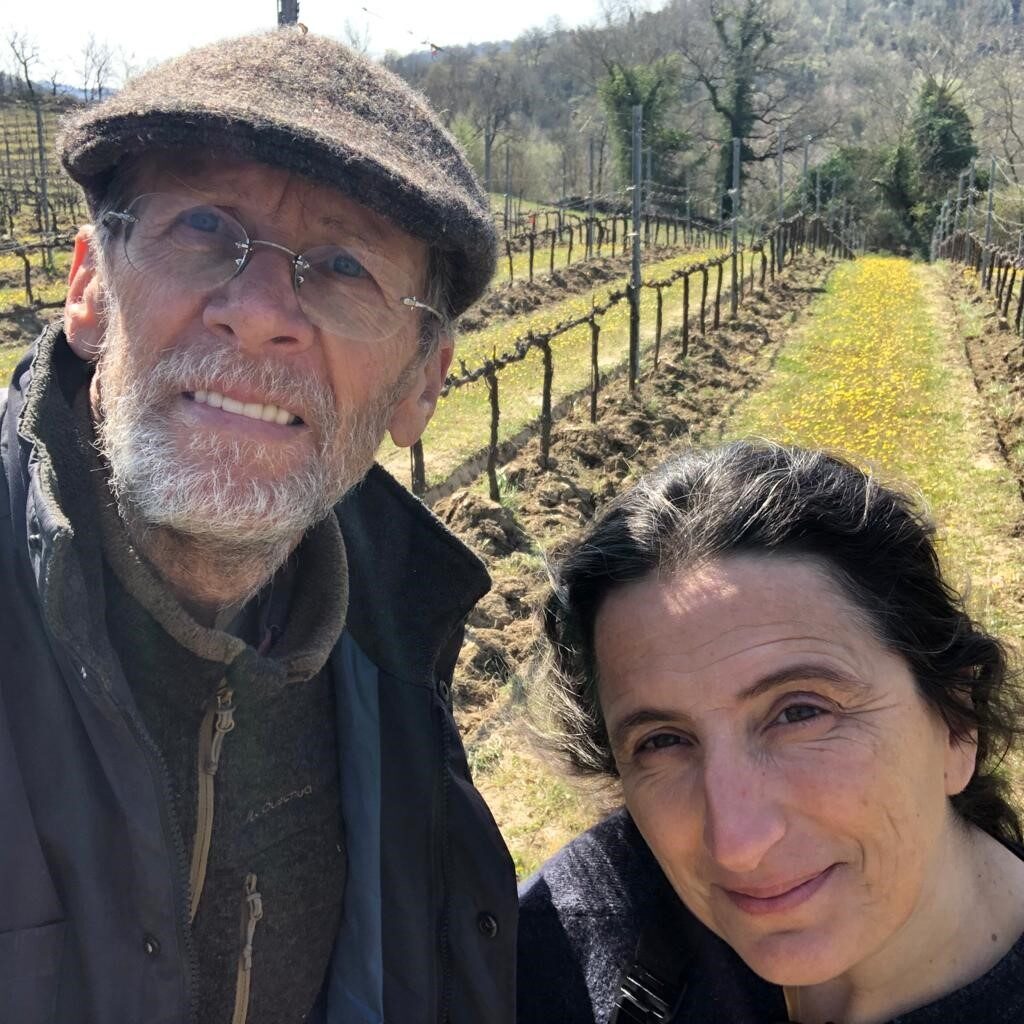
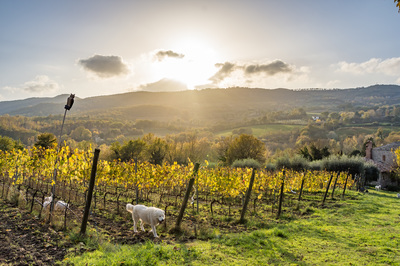
With just 2.5 hectares of vines at present, this is certainly the smallest vineyard that we currently represent. It is to me always a promising sign when there is in fact absolutely no sign on the road to indicate the location of a good wine farm. Claudia Rizzi and Ev Thomas are to be found at the end of a rough track beside the River Tiber upstream from Todi. As I write this, they have just finished picking their grapes and report that they are totally exhausted, for they start picking at 3.30 a.m. with the help of head torches, stopping at 9 am before the heat of the day can affect the freshness of the fruit. Their neighbours think they are just plain crazy, but when I taste their wines and see just how delicately fragrant and fine they are, I can easily understand their attention to this important detail.
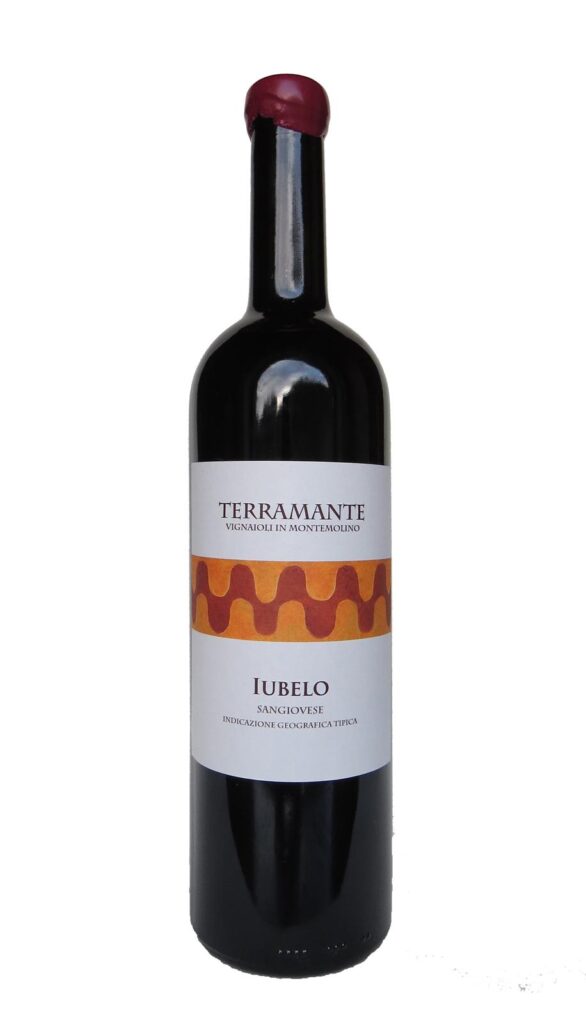
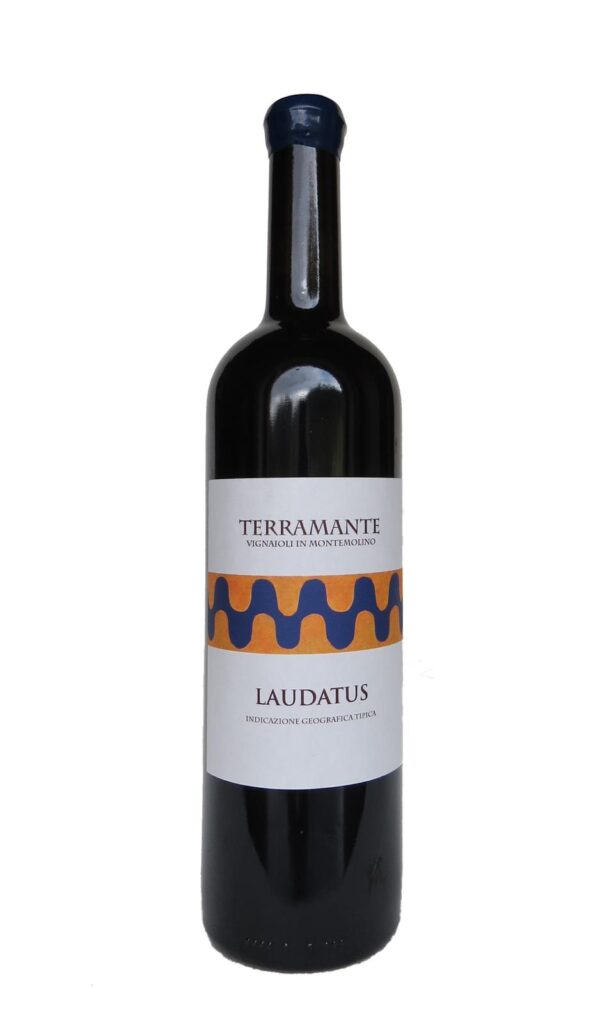
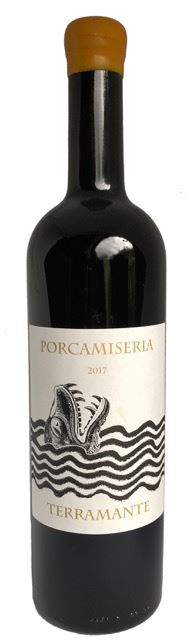
These strike me as wines that will appeal to the kind of wine drinker who shares my own enthusiasm for the delicate pinots from Oregon’s Eyrie Vineyard. Their colour is similarly and unfashionably pale, the structure seems to be provided more by natural acidity than by obvious tannins, and the alcohol is restrained for maximum refreshment. The grape variety responsible for these wines is the Sangiovese, but this is a uniquely different expression of that variety. There are in fact three different wines in the cellar. Porcamiseria is the lightest and most gentle with attractive sweet, ripe fruit flavours but no great depth. It is ready to drink soon after 14 months in barrel. The Iubelo, with a colour no darker than a typical grenache or nebbiolo, is similar but with extra depth of fruit from the older vines – it sees 2 years in a 500 litre cask. Finally, there is a tiny quantity of a wine called Laudatus. This has the greatest intensity and complexity of flavour which I attribute to a minority contribution from the Sagrantino grape, a very interesting variety though I suspect too powerful to stand on its own and better when added to a majority of Sangiovese. I cannot help assume that my original Todi Almonte wine owed much if not most of its character to this Sagrantino grape.
 Iubelo