Eenzaamheid
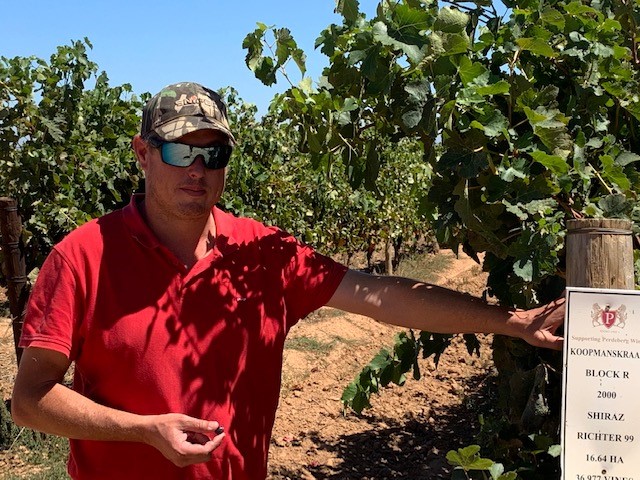
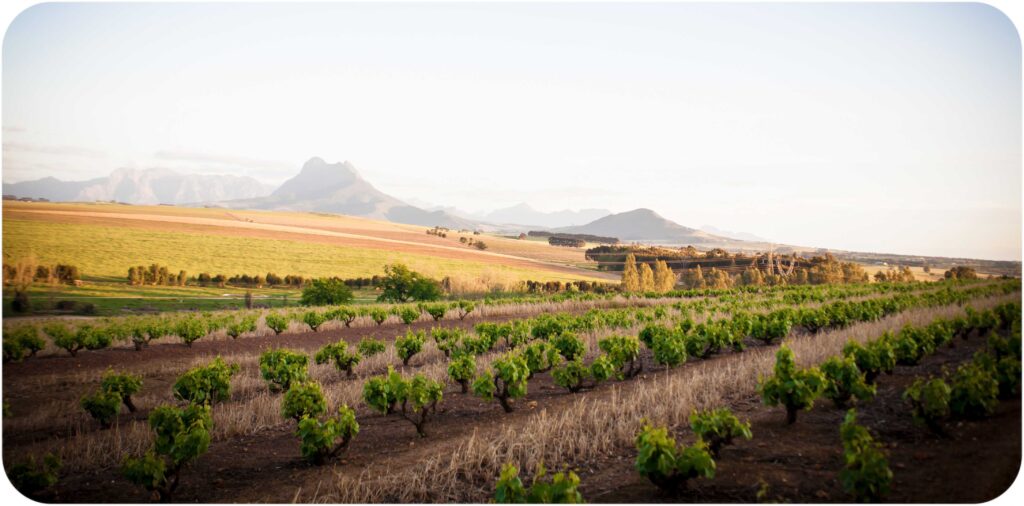
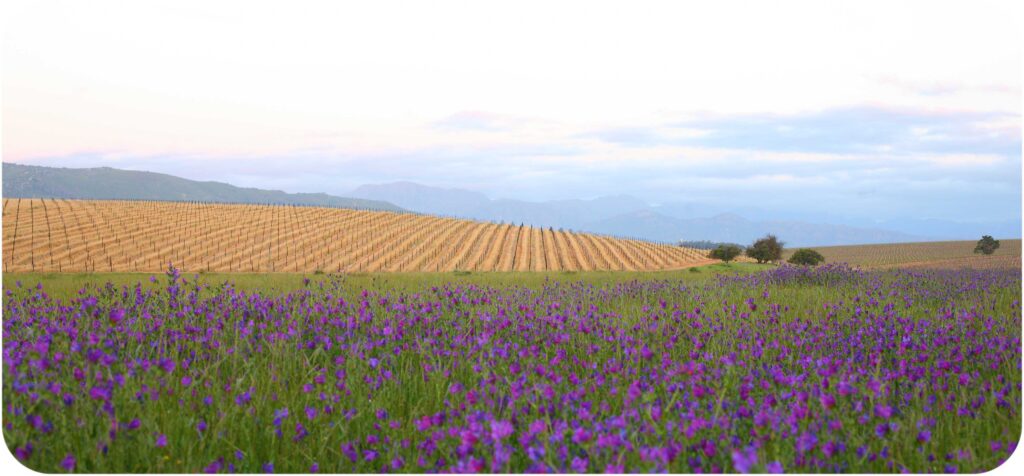
The farm was founded in 1693, at which time its name, which means solitude in Dutch, would have been even more appropriate than it is today, situated as it is, on its decomposed granite soils, in splendid panoramic isolation between Paarl and Stellenbosch, with a very fine view of the Simonsberg from an angle that is unfamiliar to those who normally view that mountain from either Franschhoek or Stellenbosch. Eenzaamheid itself seems to have managed to fly well below the radar of most people, including the author of a recent (2020) book devoted to the wines of South Africa, but my own antennae managed to pick it up during my visit to the Cape in February 2020, just a couple of weeks before the Covid pandemic started to lock most of us down. My initial attempt to visit the farm at that time failed, the grape harvest no doubt taking proper priority, so I was delighted to be able to track down the seventh generation owner, Cape Wine Master Janno Briers Louw, at the farm in February this year. He was more than generous with his time and I came away feeling that my airfare had been well spent. These wines have never hitherto been exported to the UK. Indeed, Janno told me that I was the first member of the Institute of Masters of Wine to visit the estate. I felt duly honoured, but more importantly, very excited to find that its wines matched my highest expectations.
It was their Cinsaut that had initially fired my interest, since that is a variety that has a long history in the Cape winelands, but which until recently has been somewhat out of fashion, with growers abandoning it in favour of more obviously marketable varietals such as Cabernet and Shiraz .I always felt that to be a pity. It was the late, great Serge Hochar of Chateau Musar who once told me that if he could only plant one variety in Lebanon’s Bekaa Valley, it would be Cinsault (to give it its normal French spelling), because of its capacity to cope with drought, frequently a matter of concern in the Cape. There is no shortage of Cinsault in the similarly Mediterranean climate of southern France, but there too it has been largely relegated to the status of an also ran, used mainly in blends for rosé wines. That is a bit sad, since it can make such prettily perfumed and attractively delicate red wine if given a chance. I am thrilled to be able to include it in our catalogue, but Janno’s other wines excite me equally. Understated rather than overblown, they are thereby refreshing. I have not been a fan of most expressions of Shiraz in South Africa to date, but the Eenzaamheid model is delightful, with light tannins and unobtrusive alcohol.
Eenzaamheid is also furnishing us with our first Cape Chenin Blanc, a variety that has been enjoying a significant surge in reputation rather than simply playing a role as the Cape wine industry’s most widely planted white wine workhorse. The oldest vines on this farm now are the Chenin ones planted in 1982. I am also pleased that the vines planted here are all dry farmed rather than irrigated, something now true of less than 15% of the South African winefield. I put in a plug too for their Pinotage, welcome since our other Cape winefarm is no longer bottling any. We have thus been able to double the strength of our offering from the Cape, and with wines that complement rather than compete with those we ship so happily from Vriesenhof estate in Stellenbosch, whose founder Jan ‘Boland’ Coetzee shares the same ego-free mentality as Janno Briers Louw. The wines have to be very compelling for us to add a new estate to our portfolio.
Wines
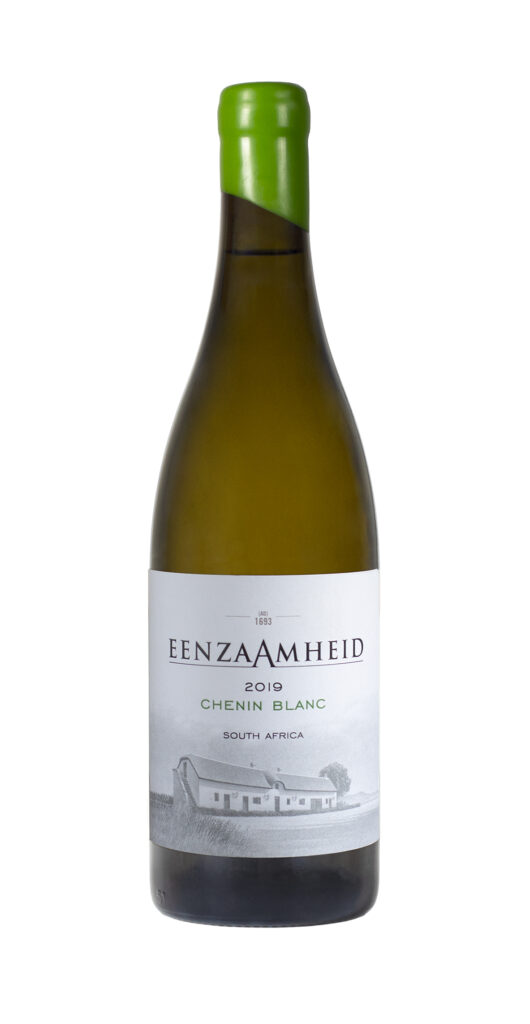
 Eenzaamheid Chenin Blanc
Eenzaamheid Chenin Blanc
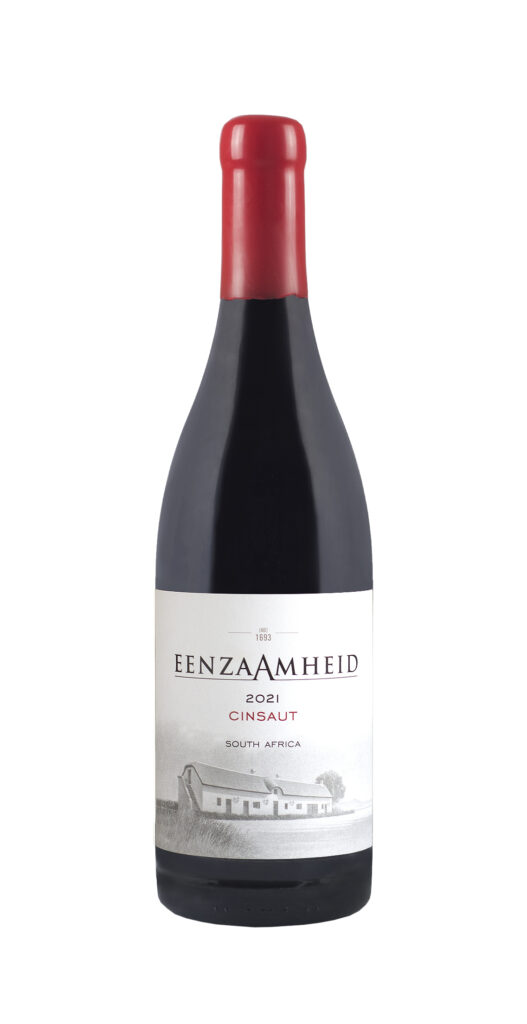
Eenzaamheid Cinsaut
Eenzaamheid Cinsaut
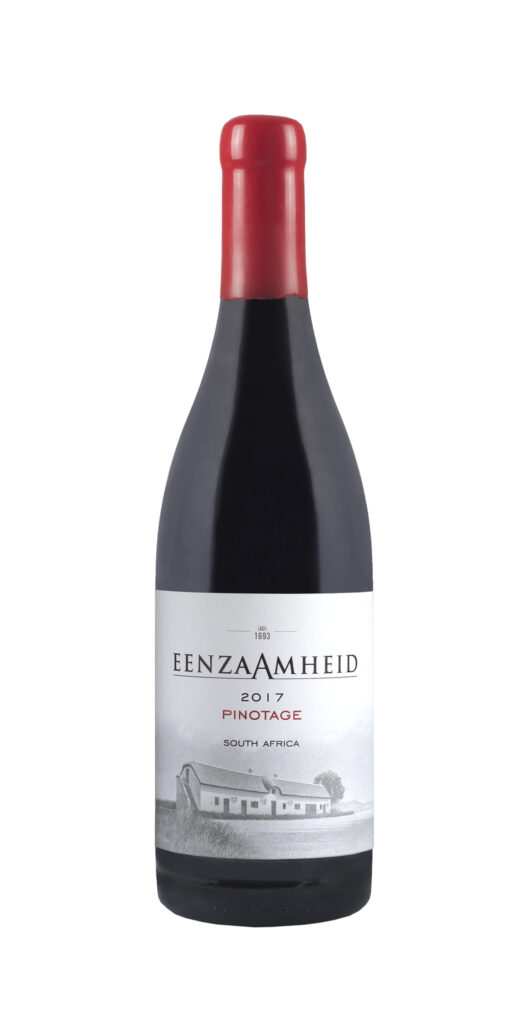
Eenzaamheid Pinotage
Eenzaamheid Pinotage
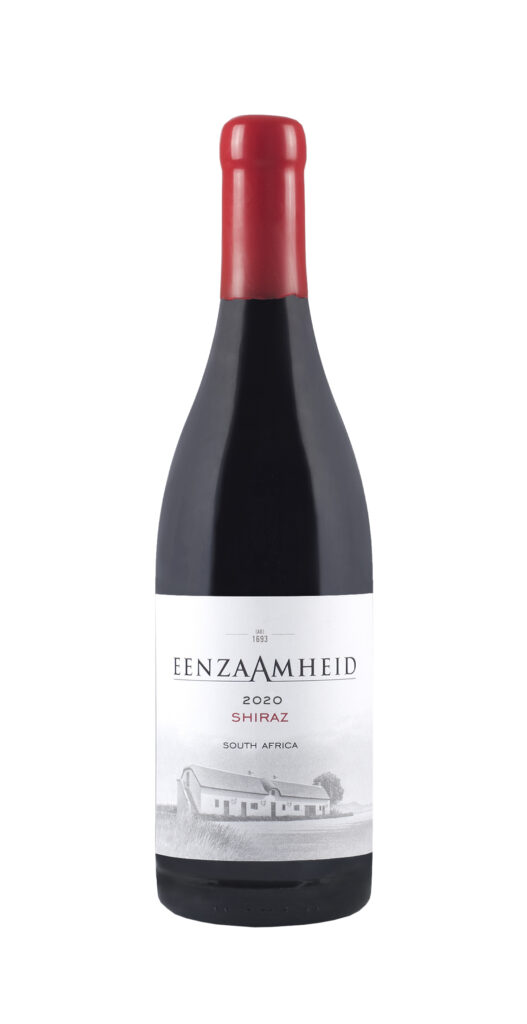
Eenzaamheid Shiraz
Eenzaamheid Shiraz