


Dveri-Pax
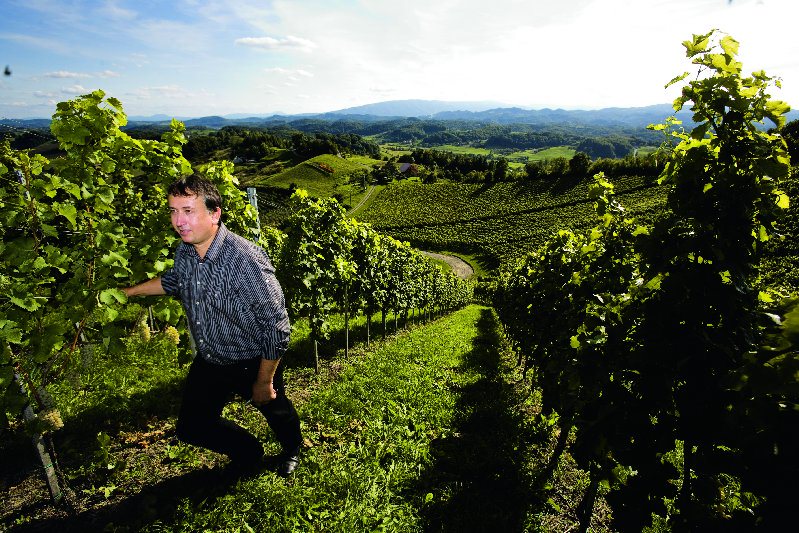
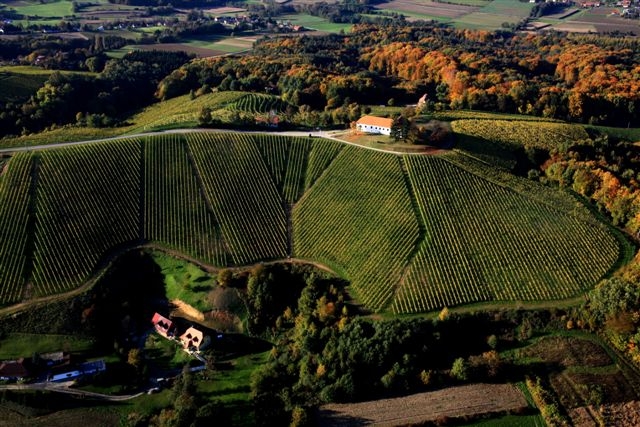
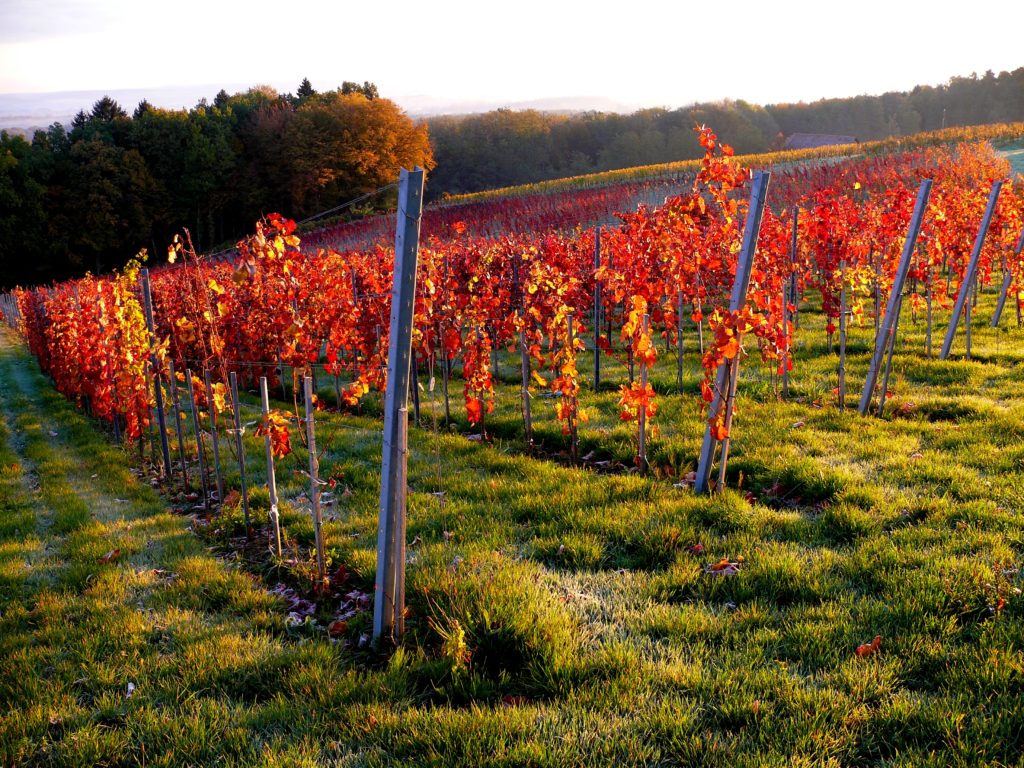
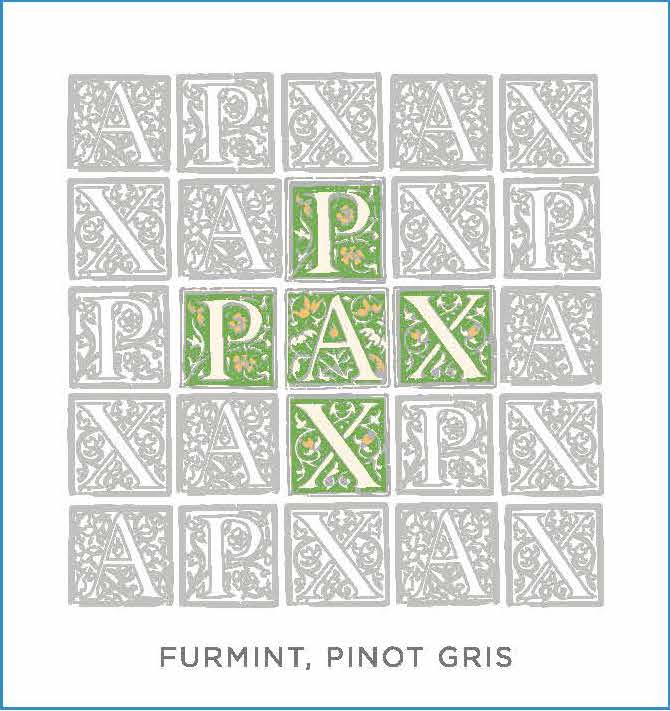
Lying as it does on either side of the 46th parallel of latitude in the northern hemisphere, Slovenia is ideally placed to ripen a range of excellent grape varieties and the culture of the grapevine in this corner of Europe wedged between Croatia and Italy has a very long history. In Jarenina, wines have been produced since 1139 by the Benedictine monastic community of Admont in Austria, and the vineyards of their Dveri-Pax (Door of Peace) Estate in the regions of Maribor and Jeruzalem now extend to over 70 hectares of some of the prettiest and steepest vineyards that I know. I have worked with this estate for over a decade now and had excellent rewards with wines from a range of well suited individual varieties, but I decided about 18 months ago that it would be useful to create a blend and brand of our own with the aim of providing an introduction into the essential character of Slovenian wine today, in the suspicion that Slovenia remains largely “terra incognita” to most UK wine consumers. Veterans of the UK wine trade will of course recall the commercial success Lutomer Riesling had in the ‘70s, the product of what was then Yugoslavia. The actual town of Lutomer lies in northeastern Slovenia close to one of the prime winegrowing districts called Jeruzalem. That wine contained a significant percentage of the useful Laski Riesling, as opposed to the more noble Riesling (here Renski Rizling) that is responsible for the most illustrious wines of the Rhine and Mosel in Germany. This Laski Riesling, also called Olasz- or Welsch Riesling is an excellent plant in its own right and a most important ingredient in our own blend, supported by sipon (=furmint), sivi pinot (=pinot gris) and a touch of traminec that I think lends it an extra sense of place given that grape’s long history as a traditional variety in this part of Europe. This project has now finally come to fruition, christened under the name Pax, as easy to ask for as it is to drink and we hope that it may encourage people to try a wine from Slovenia, a beautiful country with a total population no larger than that of Brisbane, Australia. It also pays suitable homage to the Benedictine monastery that has the patience and the resources required to get the best out of these fine vineyards, a reminder always of the debt that all winedrinkers owe to the great legacy of monastic viticulture in Europe during the past 1000+ years.
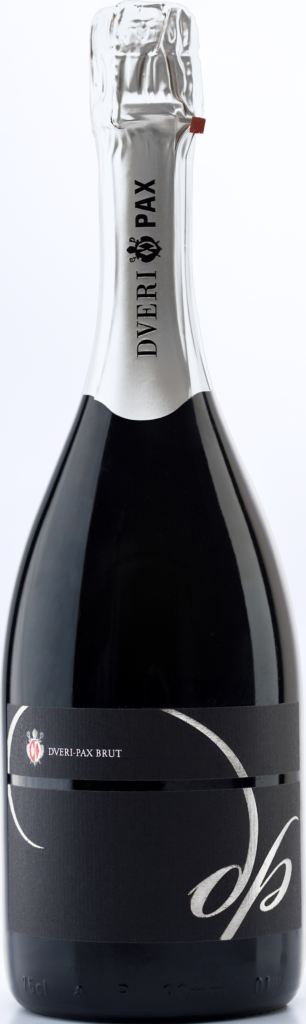
DP Brut, forget about Prosecco! This fizz is made from 100% Furmint, a very classy grape variety with the high natural acidity that is essential for the production of high quality sparkling wine. It is also made in the traditional Champagne method, and aged for four years in bottle on its lees, which is longer than a great deal of Champagne and is part of the reason why this wine is not only vastly superior to cheap Prosecco (and in my view to more expensive Prosecco too) but also to a great deal of Champagne. That belief was fortified by the results of a blind tasting at ‘Decanter’ magazine where this DP Brut scored 91/100 points, putting it in the Top 10 in the tasting and outscoring many well known Blanc de Blancs Champagnes at high prices.
Wines
 DP Brut NV
DP Brut NV
DP Brut Rose
DP Brut Rose

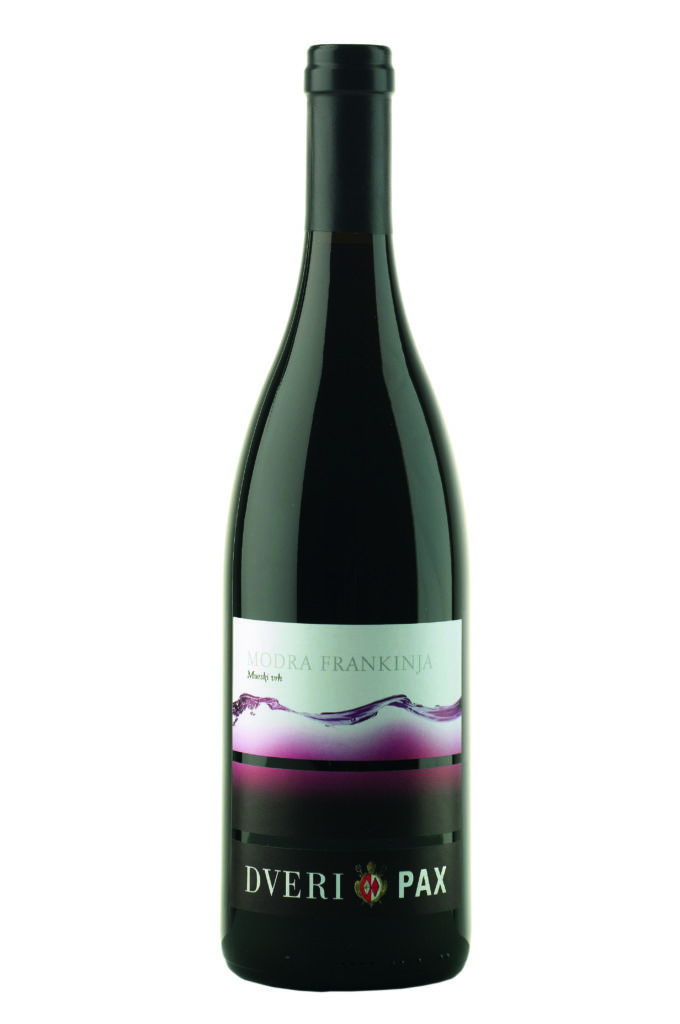
Modri Frankinja
Modri Frankinja
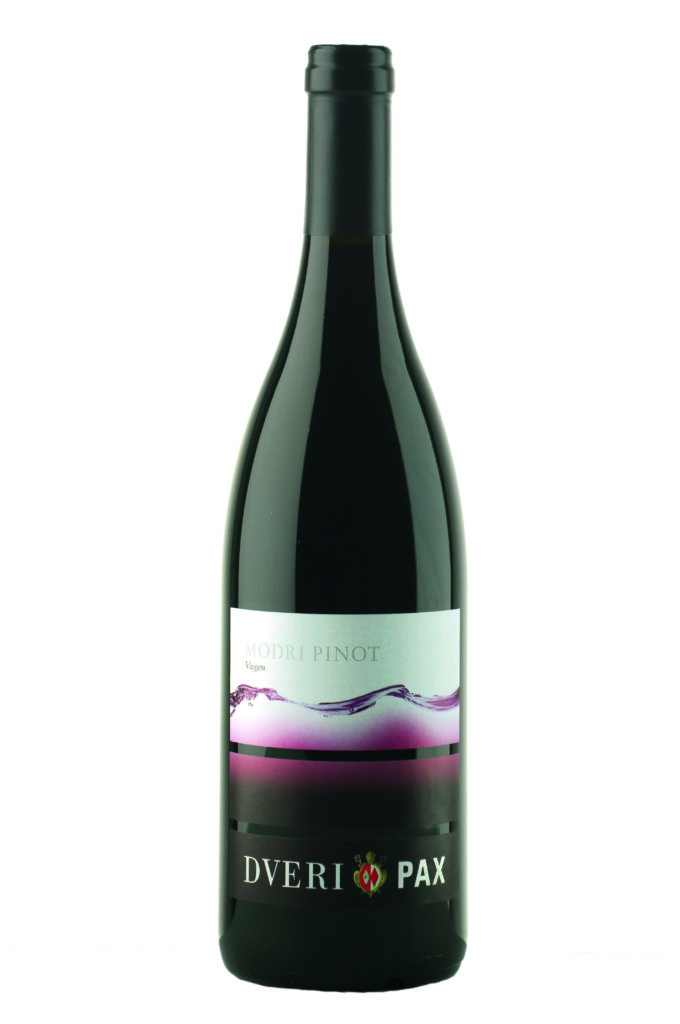
Modri Pinot
Modri Pinot
Pax
Pax
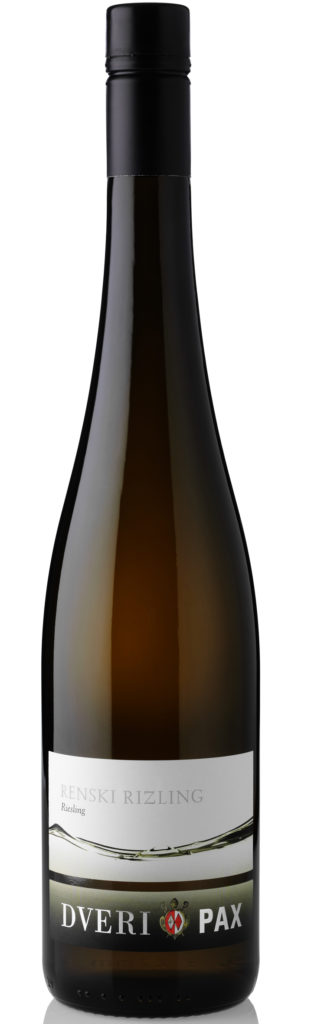
Renski Rizling
Renski Rizling
Traminec
Traminec
