



Bodega Vidas
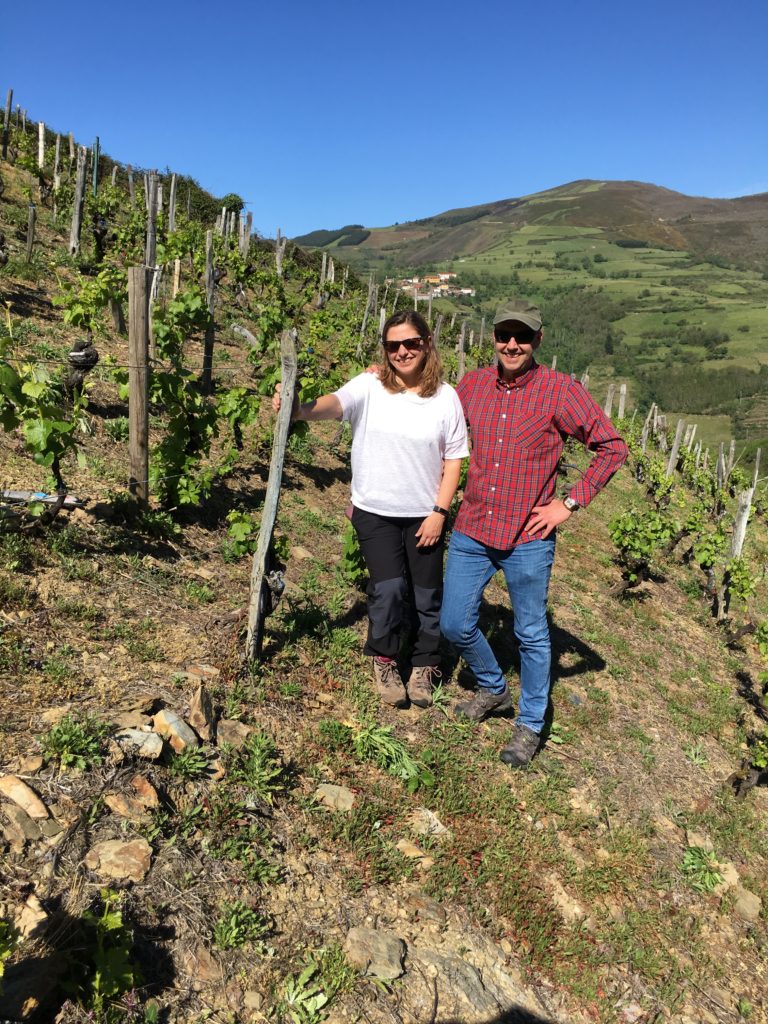
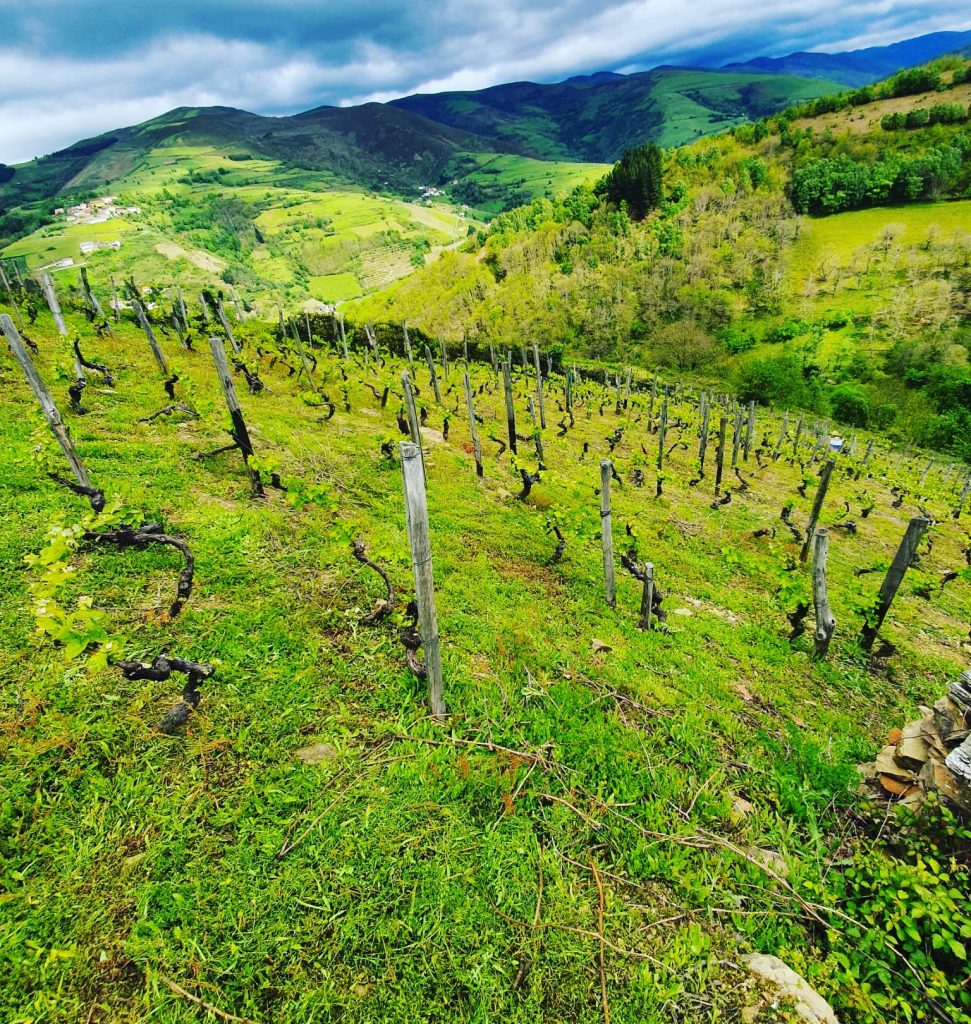
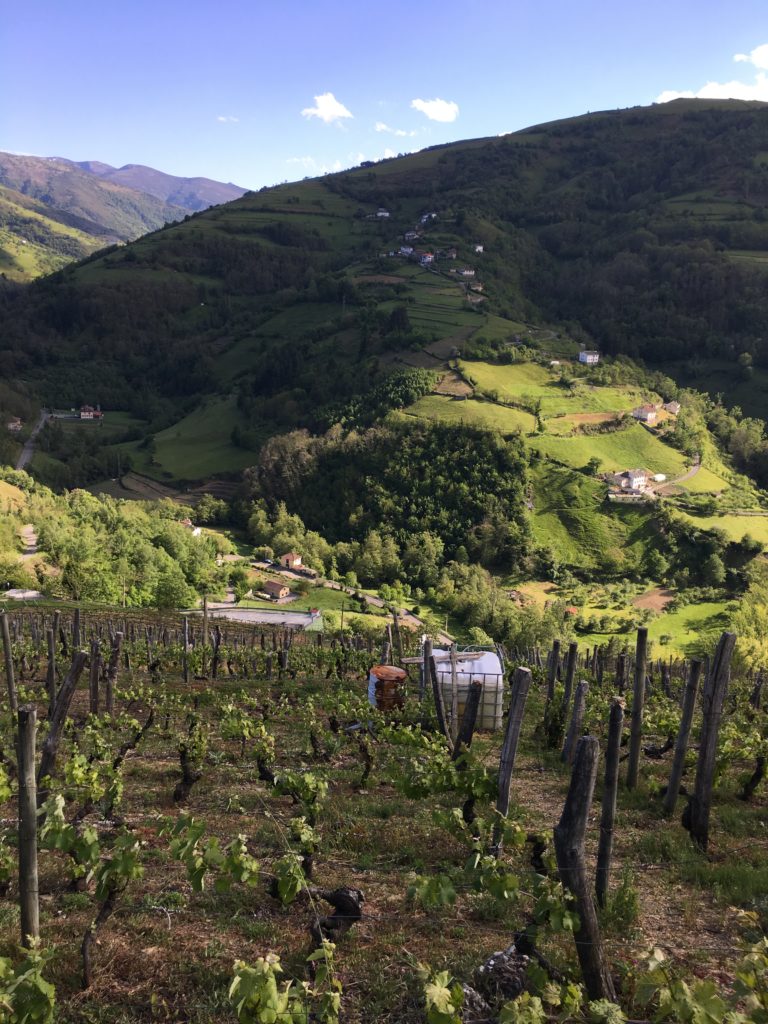
Bea Perez and her husband Pepe Florez are co-owners of this tiny bodega located in Cangas in the Narcea valley of Asturias, one of the very least known wine regions in Spain today. The name that they give to their wines of “Cien Montanas” tells you that the district is nothing if not mountainous. Its relative isolation is a reason why it has not been overrun by fashionable vine varieties from elsewhere and why instead it is the only place that you will find Carrasquin, a grape with apparently and most unusually no other known name or origin. In addition, they also have Albarin Negro, Mencia and Verdejo Negro which turns out to be none other than Trousseau (also aka Bastardo), but this is no fashion-driven planting as records show the variety has been planted here for over 200 years and their own vines are around 60 years old. There used to be more than 1000 hectares of vineyard in Asturias in fact and there had been vines planted all over the hills in the area for over 1000 years, no doubt in large part due to the existence and requirements of the large local monastery. There are now just around 45 hectares however and viticulture almost died out completely in the 1950s. There is no cooperative in the area any longer. The vines themselves are growing on precipitous slopes of very stony free draining decomposed limestone at altitudes of 450-600 m. Precipitation is around 577mm/p.a. A snowfall on 29 October 2018 was heavy enough to inflict damage on the stakes supporting the vines. The term ‘heroica viticultura’ is not used lightly here. A stout pair of boots or strong trainers are essential footware. Wild goats would be more at ease here than human beings. For their wines, they have a little over 5 hectares of their own vines and also rent vines and buy fruit when required. The small cellar has a maximum capacity for about 30,000 bottles, but the 2018 vintage only produced enough for 15,000 across all the range of their wines. A little white wine is made for local consumption in the valley itself, made from Albarin Blanco, Albillo and Palomino, otherwise the production is from the four red varieties mentioned above. These are mixed together in the same parcels and identified by means of a different colour splash of paint so that come harvest time the fruit can be picked separately according to individual maturity, with the Verdejo Negro the first to ripen and the Carrasquin the last. The wine is therefore not a field blend, a factor that adds still further to the already intensive labour required. The Vivelavida wine is a very pretty blend of the Carrasquin, Albarin Negro and Verdejo Negro with a little Mencia, a very interesting variety grown mostly in the neighbouring region of El Bierzo, from where I once shipped a delicious wine from the 1987 vintage called Valdeobispo incidentally.
I have if any little hesitation in stating that the discovery of these particular wines from Asturias has been the single most exciting find I have made in the past eighteen months. They tick my trio of essential criteria in terms of balance, vitality and originality, and I feel often that I am getting three wines in a single glass, as I see the freshness of a good Morgon gamay combine with a flash of a Morey St.Denis pinot’s finesse and the suggestion of spice from a Rhone valley Grenache. Delicious as soon as you pull the cork, but I do strongly advocate drinking these wines very gradually over 24-48 hours so that you can watch how they develop further with gradual exposure to oxygen.
Wines
 Albarin Negro
Albarin Negro
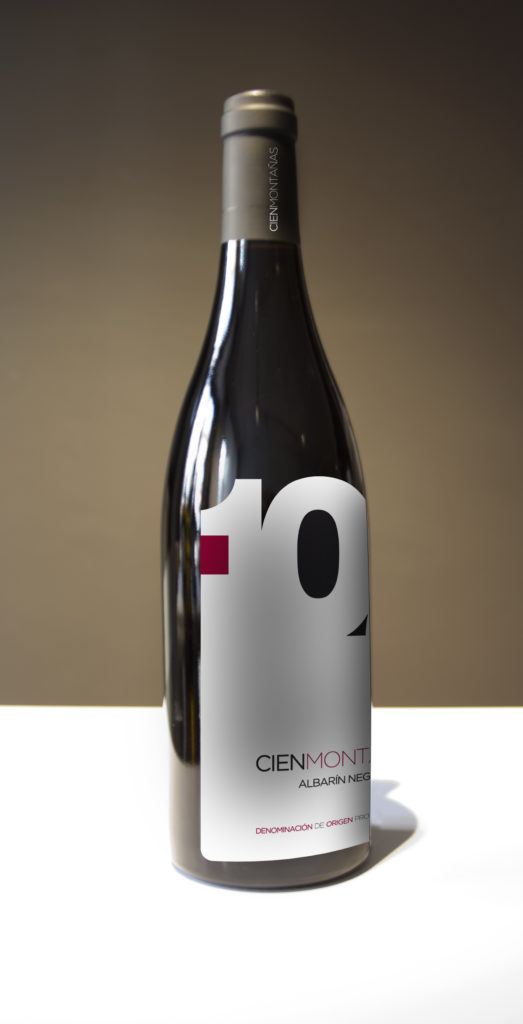
Carrasquin
Carrasquin
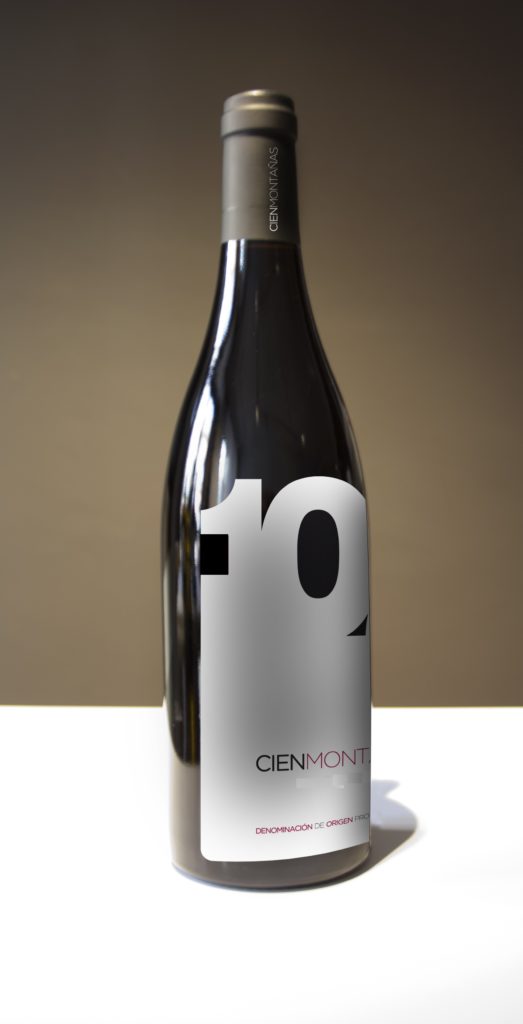
Verdejo Negro
Verdejo Negro
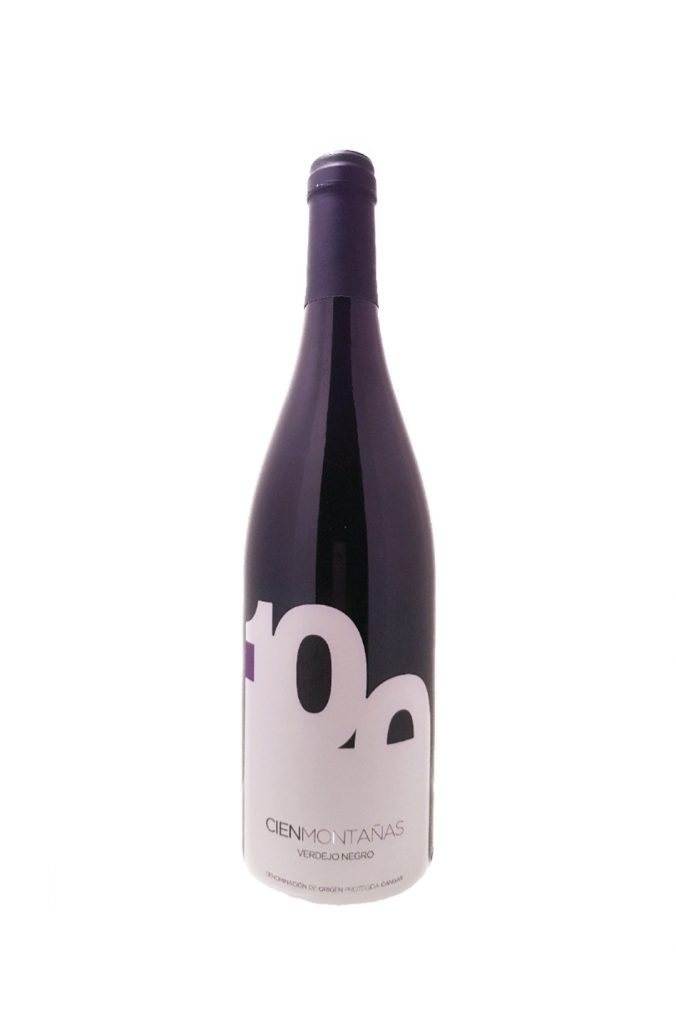
Vive la Vida
Vive la Vida
