

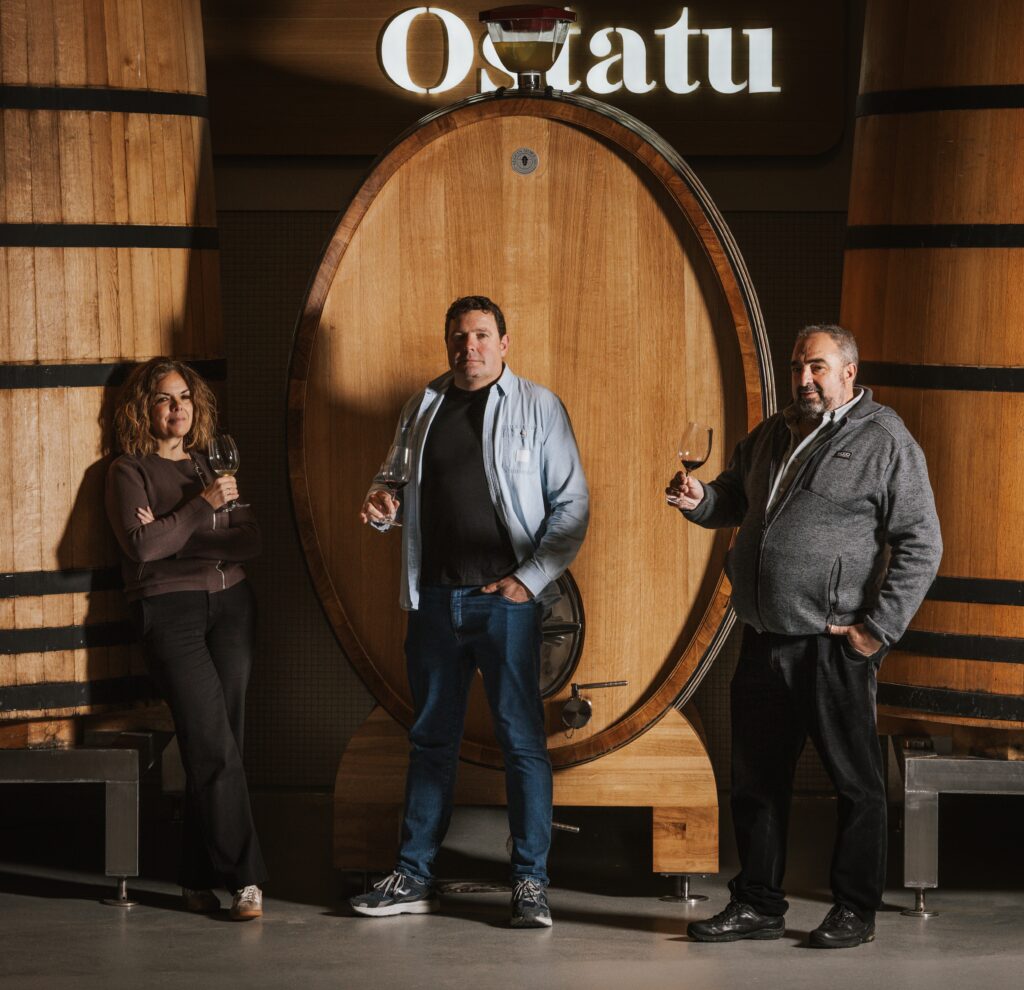
Bodegas Ostatu
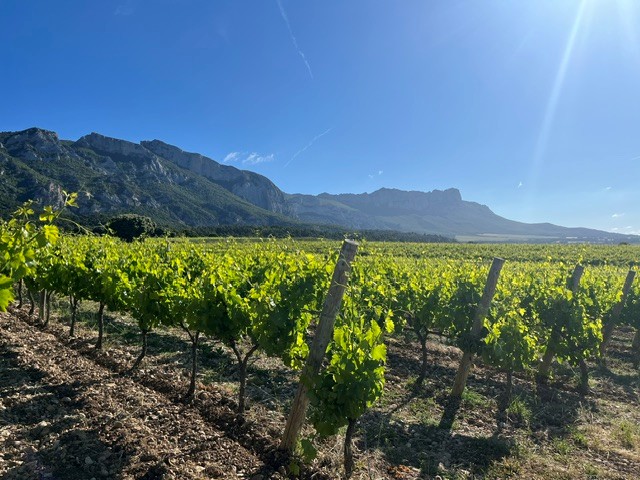
Some 50 micro-plots of vines across about 36 hectares with three different soil types offer an interesting choice here. Stylistically I think that Ostatu is managing to find a good compromise between the old school tradition and the modernist approach, so the overall emphasis is firmly in the direction of elegant expression of fruit rather than excessive dependence on oak barrels. They are looking for elegance, purity and precision, and the fact that there is no American oak in the cellar at all points to this objective. With three distinct soils types in their vineyards here, they can play with them to achieve differences between the wines in the range. Thus we can see wines for early drinking such as their basic Tinto coming from the lighter sandy soils at lower altitudes with warmer growing conditions and early harvesting. The more serious wines destined for the Reservas come from the heavier clay on top of limestone, with the oldest Tempranillo vines planted as long ago as 1923. Then we find the youngest plantings at the higher altitude site (as high as 750m) where the soil has more stony calcium carbonate on top of the limestone base. In the past this location nestling right up at the base of the mountain was always considered too marginal for good ripening, but it now promises to reveal great potential for both single vineyard expression and also for Garnacha Blamca. This may be the kind of site that is capable of giving a new face to Rioja.
Wines
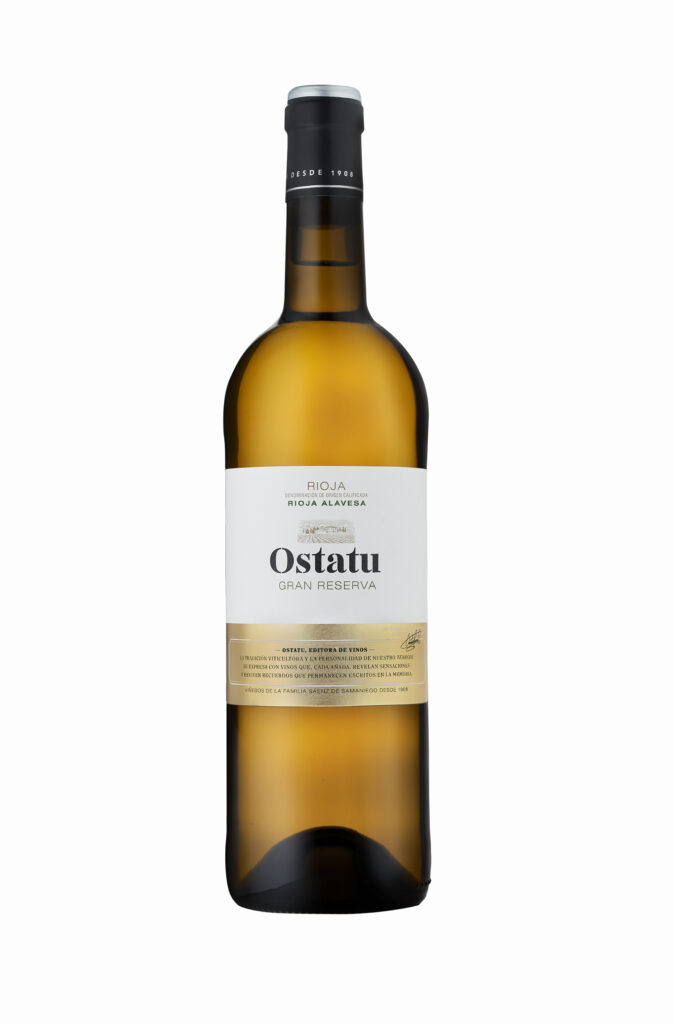
 Rioja Blanco Gran Reserva
Rioja Blanco Gran Reserva
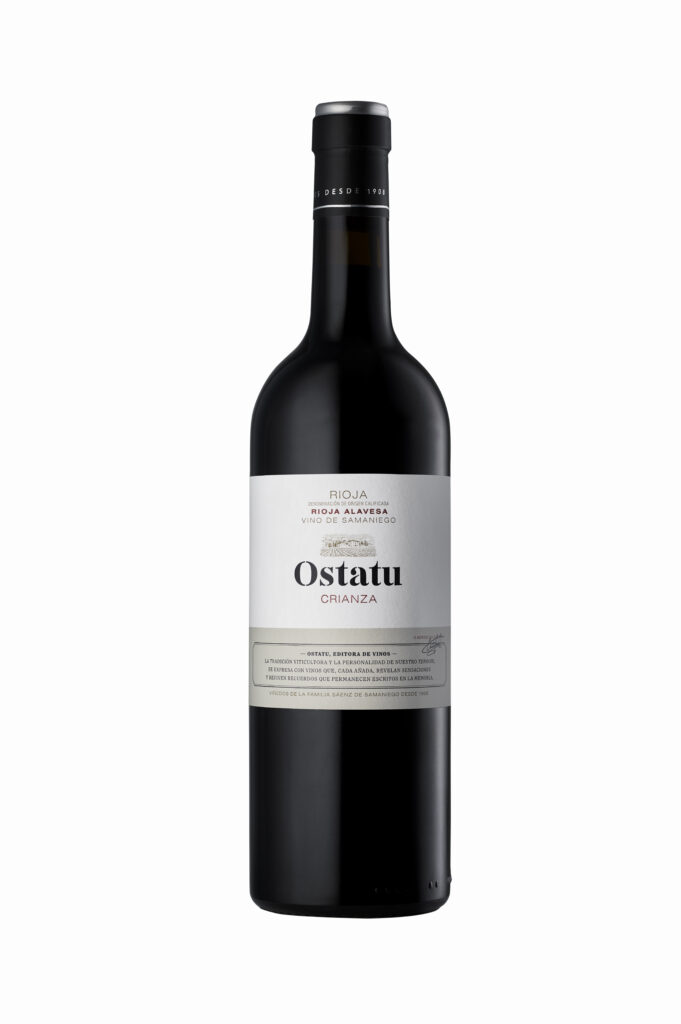
Rioja Crianza
Rioja Crianza
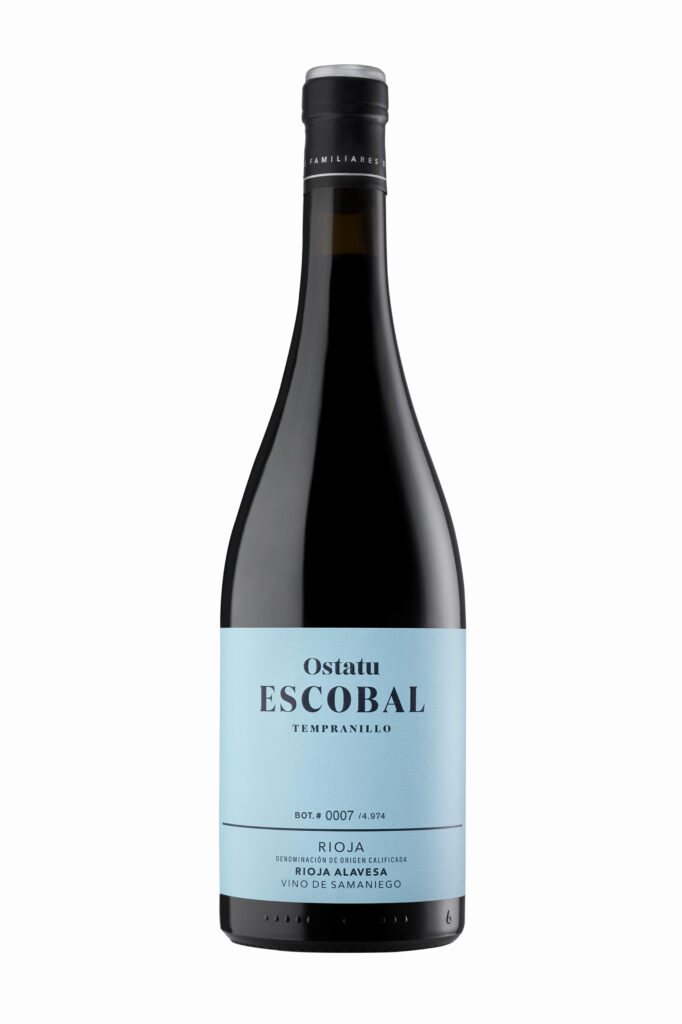
Rioja Escobal
Rioja Escobal
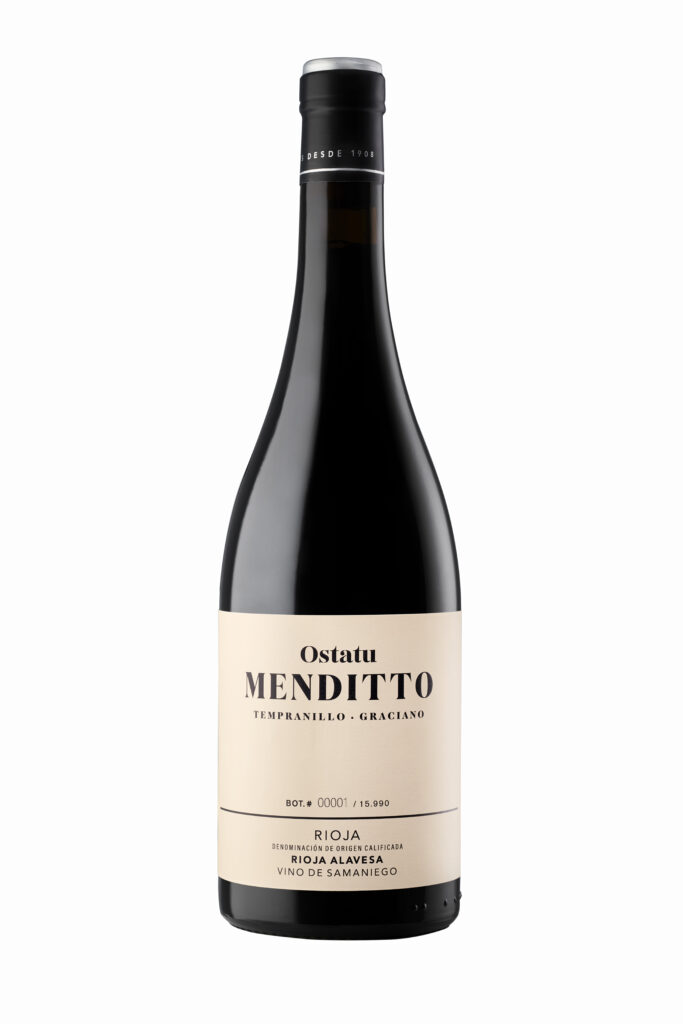
Rioja Menditto
Rioja Menditto
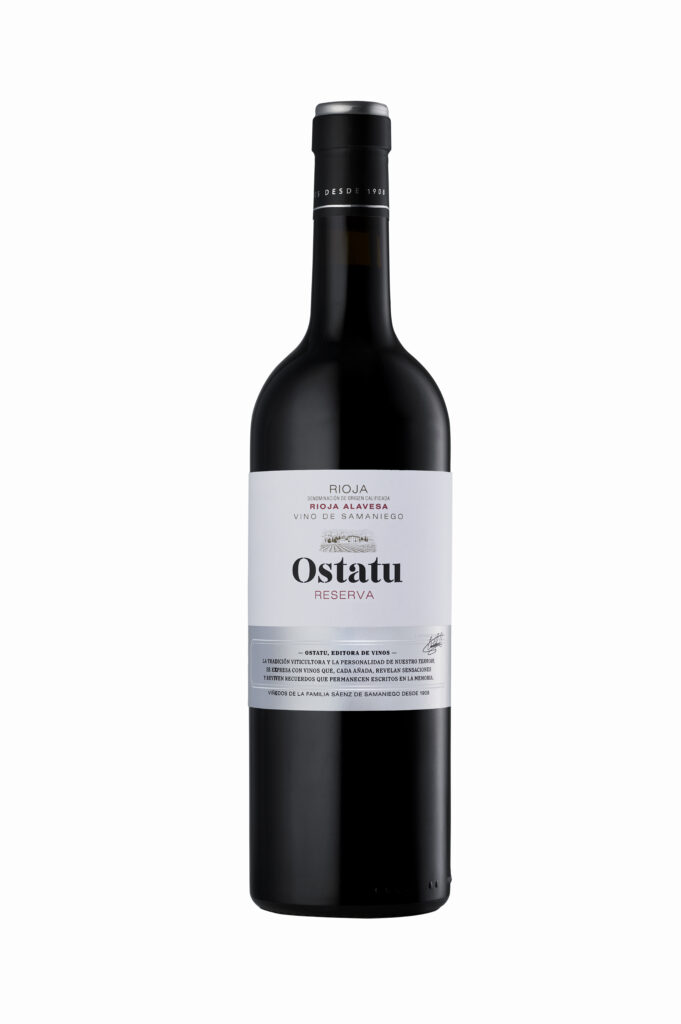
Rioja Reserva
Rioja Reserva
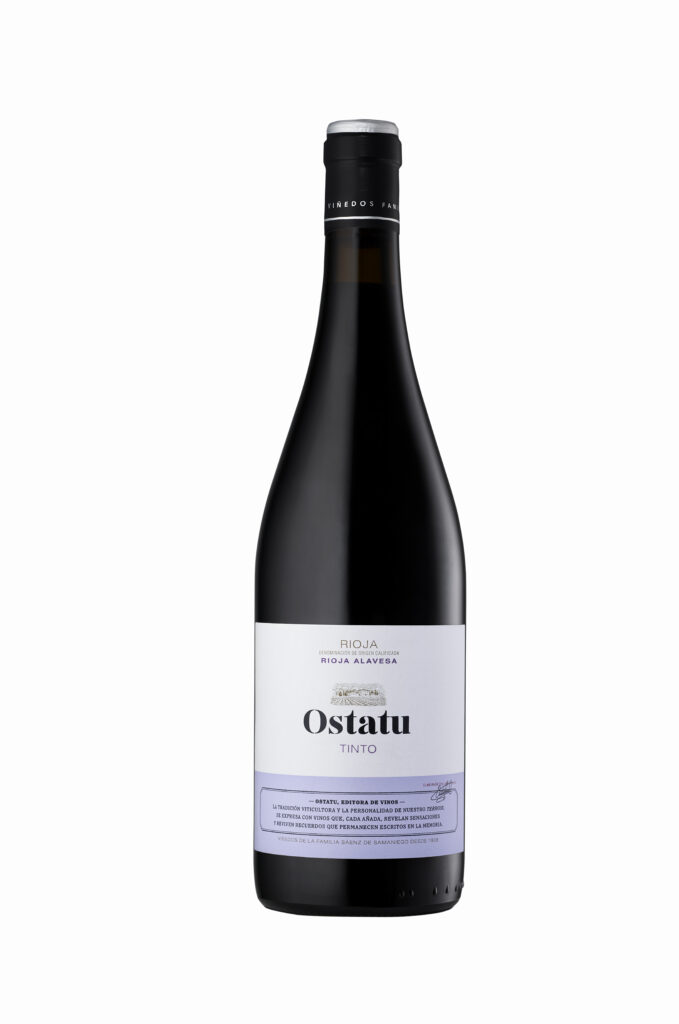
Rioja Tinto Joven
Rioja Tinto Joven
Rioja Valdepedro
Rioja Valdepedro
