The Eyrie Vineyards
Little did I know when I first set foot in Oregon in 1980 that I was going to be closely involved with the growing pains and pleasures of a new wine industry over the following 35 years. I had decided to fly up from the Napa Valley in California in order to meet David Lett, the man whose predilection for Pinot had persuaded him, in the face of much scepticism from industry professionals, to pursue his own vision in the Dundee Hills of Oregon. It was David’s obstinate determination and that vision which rapidly gave the fledgling Oregon wine industry its proper sense of direction. The first vintage was in 1970 and it has been my fortune to have tasted wines from every vintage made at Eyrie Vineyards since then, including of course the legendary tasting of 1975 Pinot Noir South Block Reserve which caused such a stir at a famous in Paris in 1979 when it effectively catapulted Oregon onto the world wine stage.
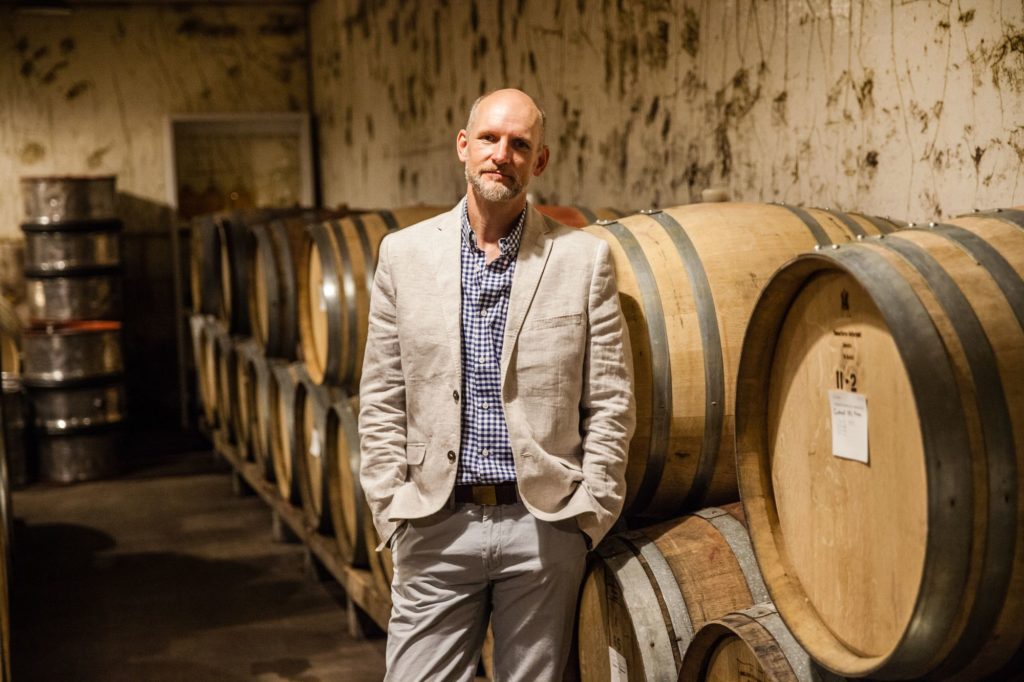
Eyrie wines are now conducted by the winemaking baton of David Lett’s son Jason, who is building on his father’s experience and reputation with wines that seem even more consistently excellent, remaining entirely faithful to the Eyrie style, one of ethereal grace and weightless energy, the antithesis in fact of the vulgar ‘show’ wine. I can think of growers in Chambolle Musigny who might recognise its style of feminine elegance rather than masculine power. David Lett’s desired expression of Oregon Pinot may not be considered typical today, for there are many producers who prefer to ape California with a much bolder style. Like David himself however, I went north from California in order to escape such a style and it is for that reason that we remain convinced of the superiority of the Eyrie Vineyard model. In 2015, Eyrie Vineyards celebrated the 50th anniversary of its original plantings. In 1965, David Lett had arrived in Oregon ‘with 3000 grapevines and a theory’. That theory, based on his meticulous research of climate, variety and soil was that Oregon’s Willamette Valley might be the best region outside Burgundy for the Pinot Noir grape. The track record now firmly established has fully vindicated his original theory.
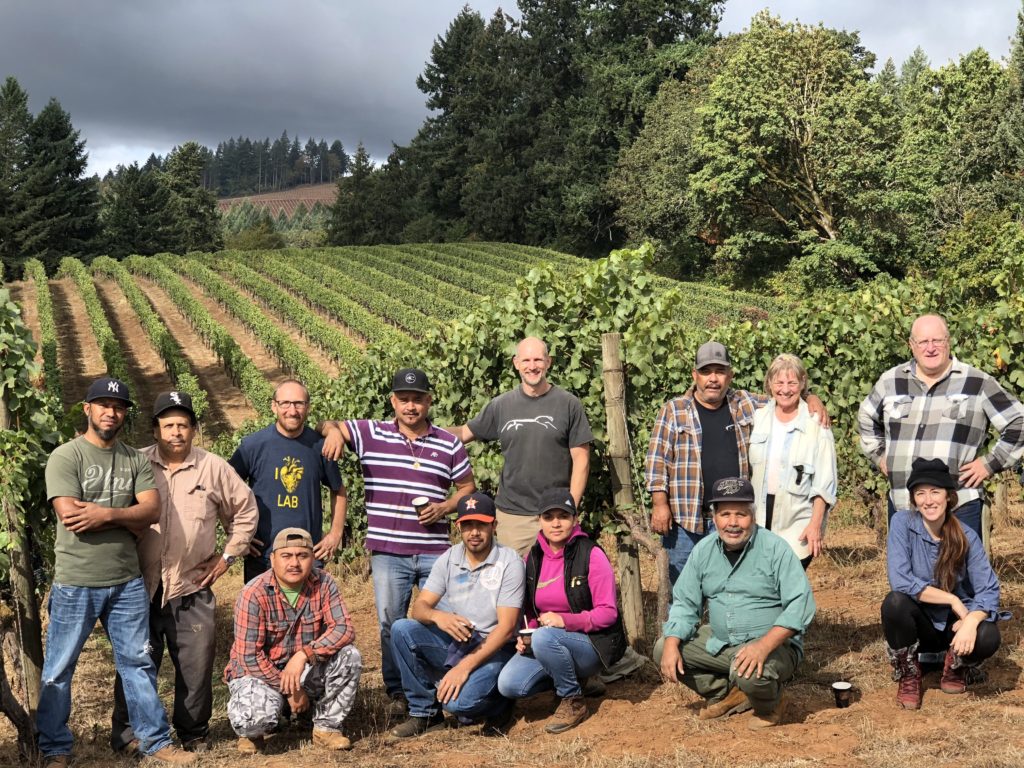
The Eyrie estate now comprises five individual blocks of vineyard, all 60 acres located in the same part of the Dundee Hills. The vines were established without any use of herbicides, insecticides or systemic chemicals and that practice continues today. There is no irrigation. In the cellar, the same philosophy prevails. The wines are fermented and aged with patience, using wild yeasts and neutral oak barrels. Only 15% of the barrels are less than 5 vintages old and a dozen of the original barrels used in 1970 are still in use today. The trend towards heavy extraction has always been strongly resisted and the wines have a better natural balance as a result, determined by good acidity rather than by tannin. Their potential longevity is no longer in doubt. David Lett established a style that would clearly keep well. Oregon wines are distinctly different from their Californian neighbours and Jason Lett is wisely following in his father’s footsteps and bringing wines to a new level of delicate intensity.
Wines
 Chardonnay
Chardonnay

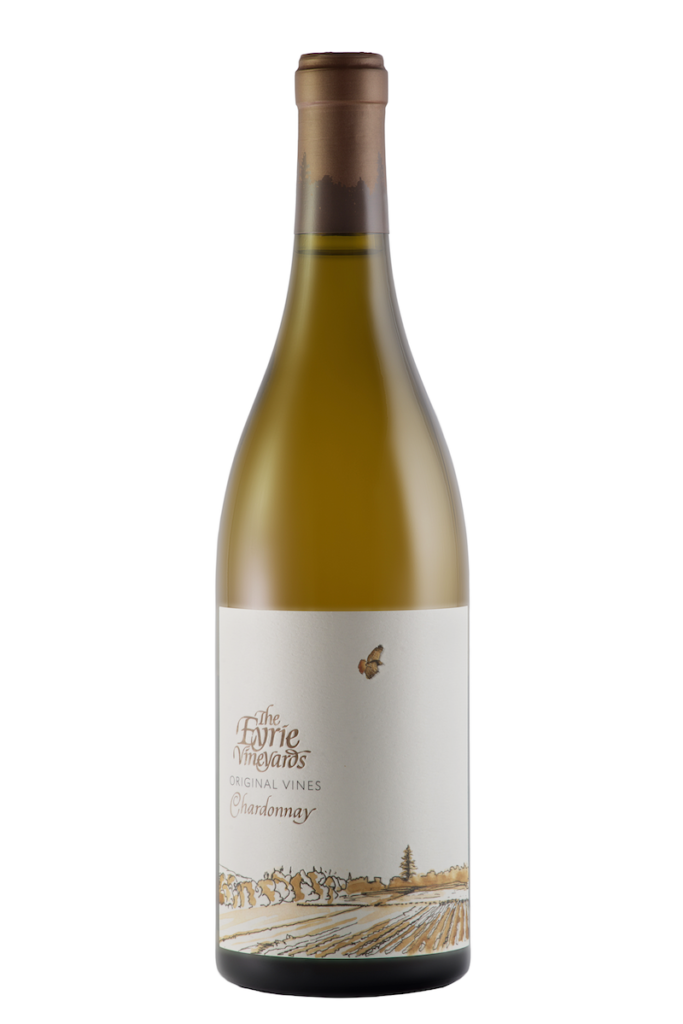
Chardonnay Original Vines
Chardonnay Original Vines
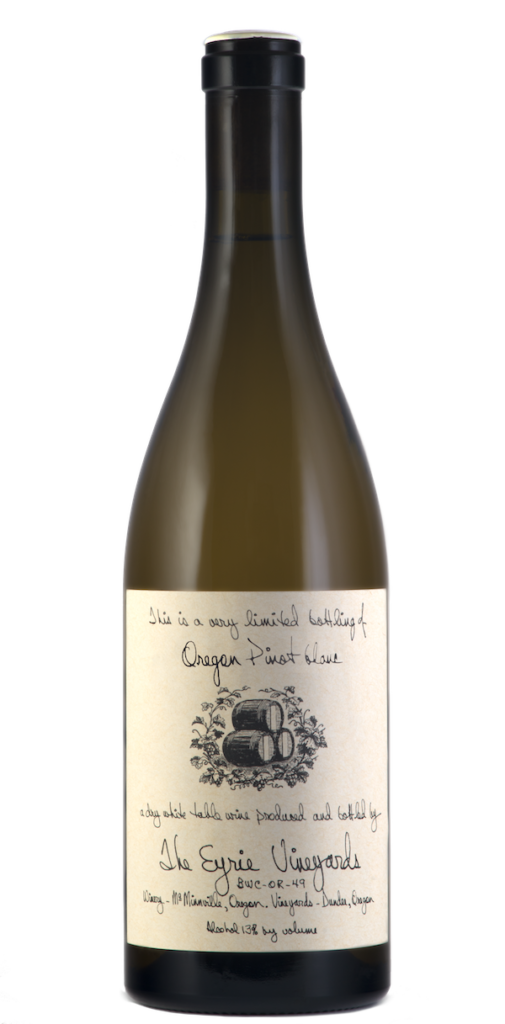
Pinot Blanc
Pinot Blanc
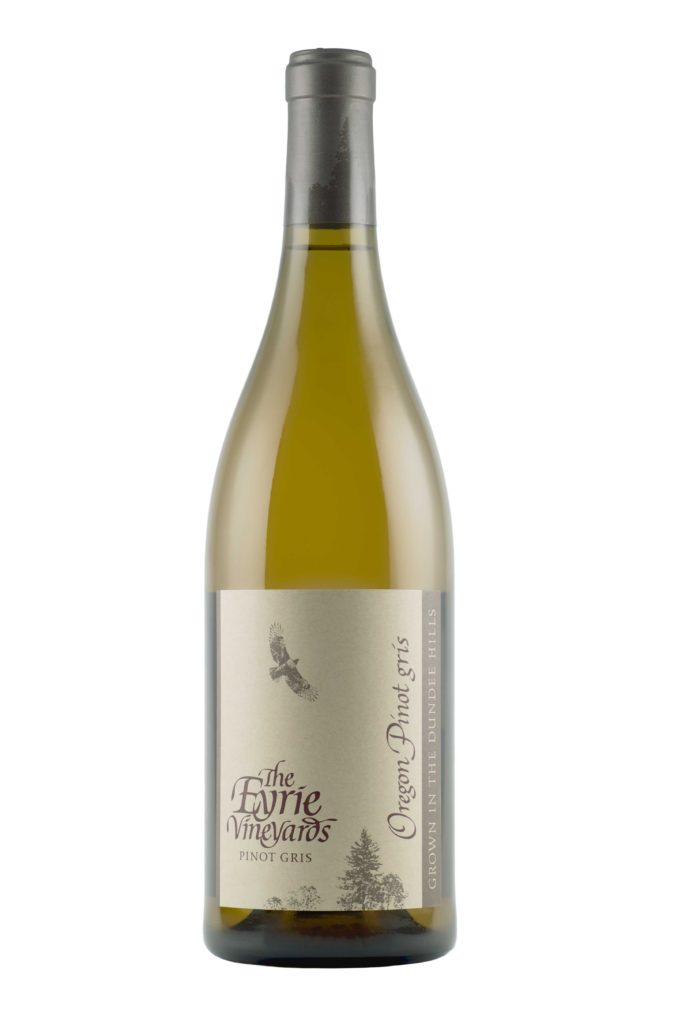
Pinot Gris
Pinot Gris
Pinot Gris Original Vines
Pinot Gris Original Vines
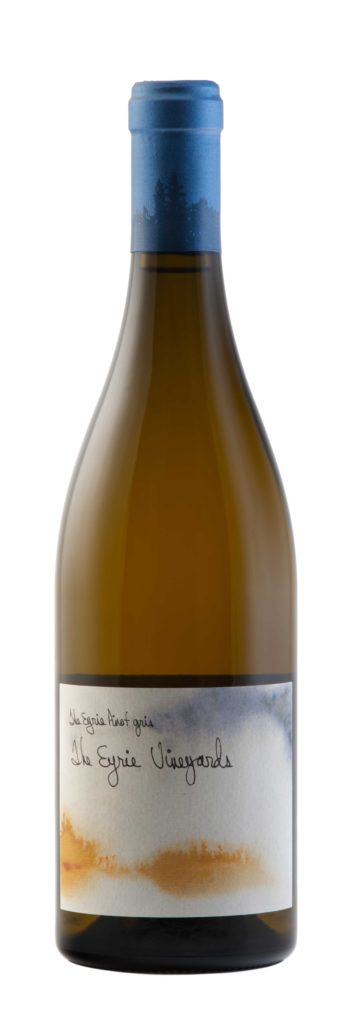
Pinot Meunier
Pinot Meunier
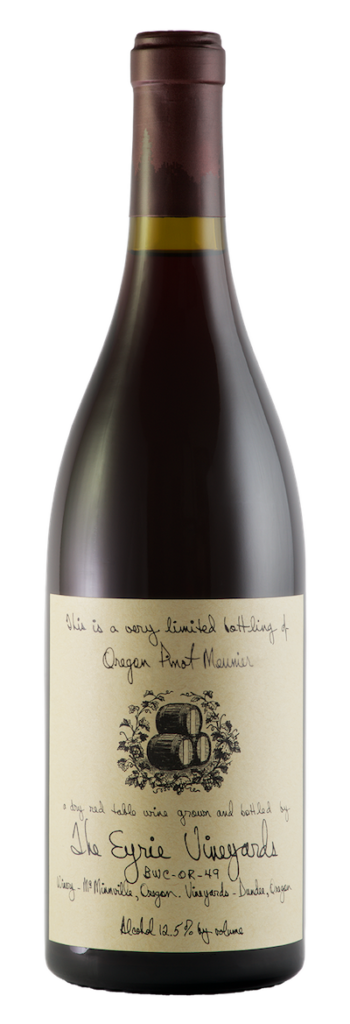
Pinot Noir
Pinot Noir
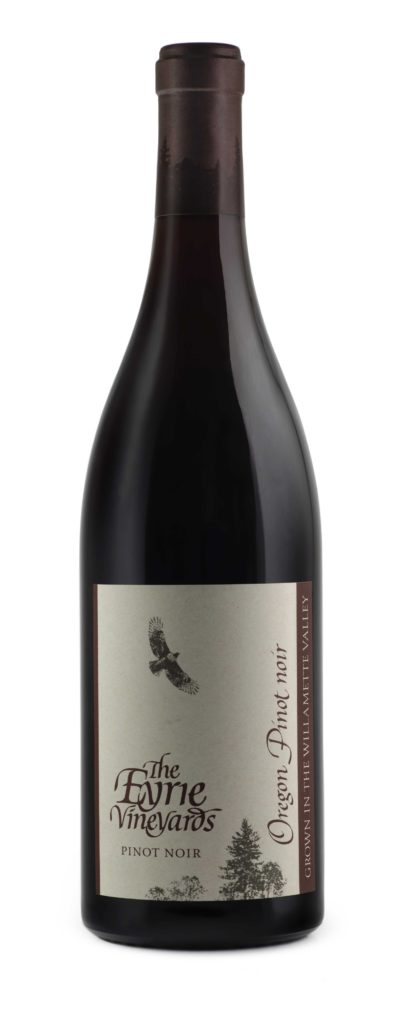
Pinot Noir Daphne
Pinot Noir Daphne
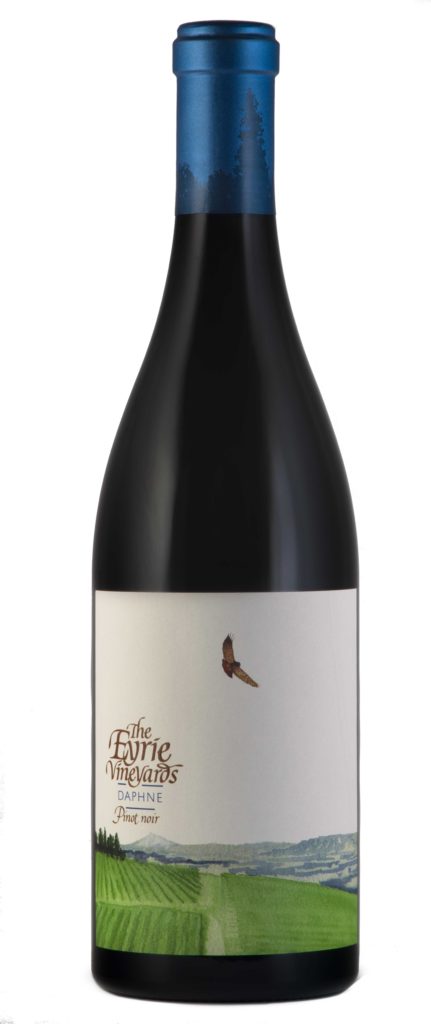
Pinot Noir Original Vines
Pinot Noir Original Vines
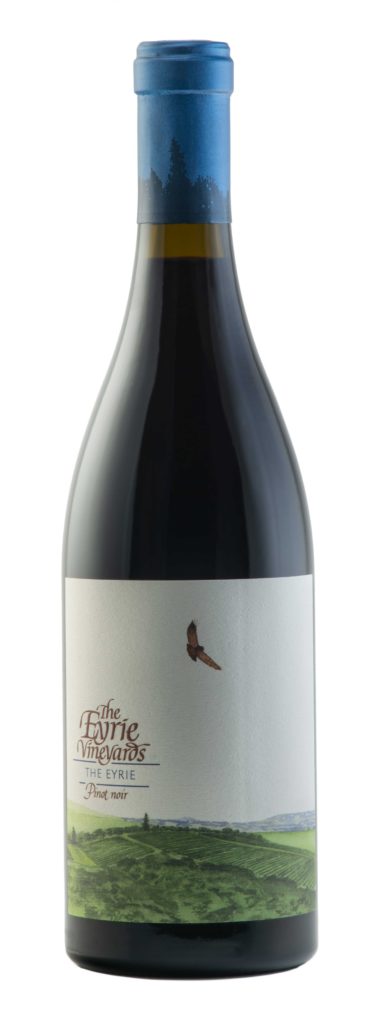
Pinot Noir Outcrop
Pinot Noir Outcrop
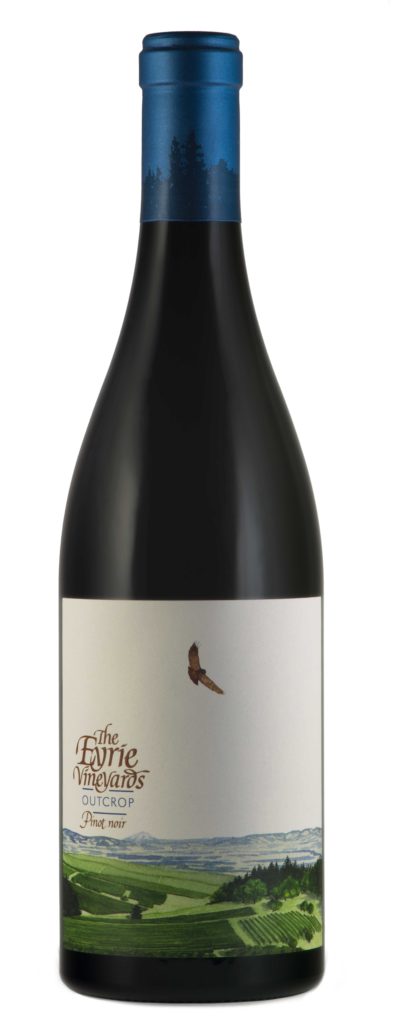
Pinot Noir Roland Green
Pinot Noir Roland Green
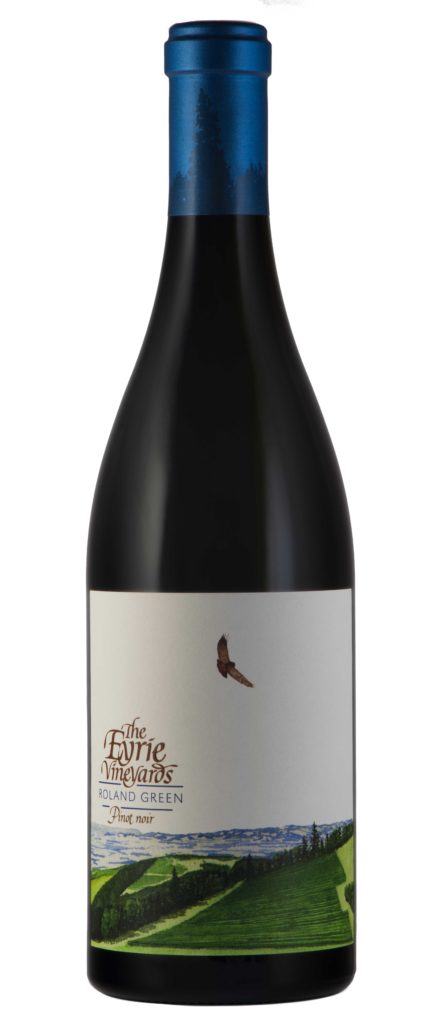
Pinot Noir Sisters
Pinot Noir Sisters
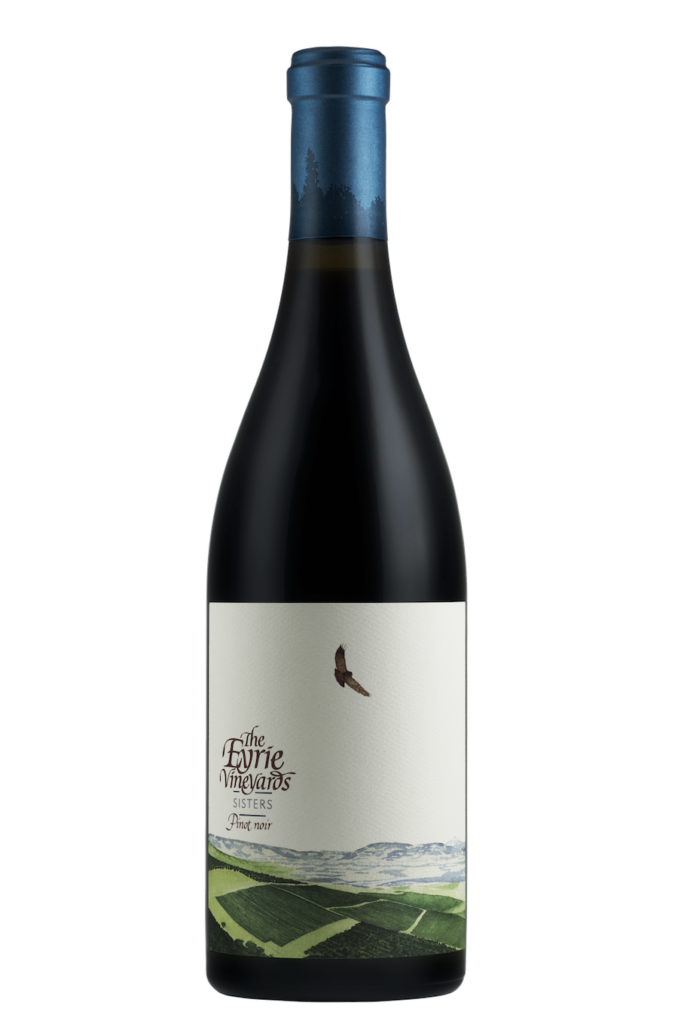
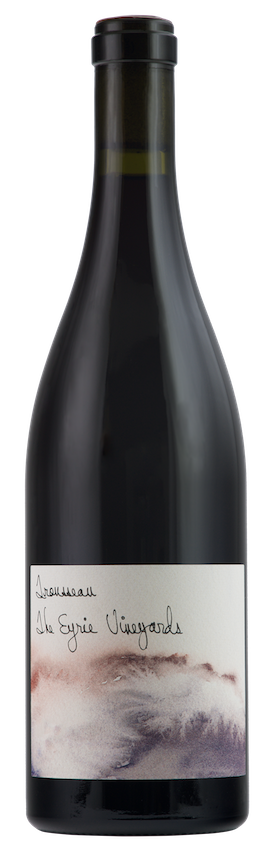
Trousseau
Trousseau