Hermanos Pecina
When it comes to Rioja, my strong preference is for the wines of the traditional school. They have become much less numerous during the past 30 years or so and it was only quite recently that my researches identified the family owned bodega of Pedro Pecina as a suitable addition to our catalogue. It was established by Pedro as recently as 1992, following 18 years as vineyard manager at the great traditional bodega of La Rioja Alta whose wines I was very happy to sell in the 1970s when I first started to be a wine merchant on my own account. We have also long been devoted followers of that arch traditionalist cellar, the happily and most successfully time-warped Lopez de Heredia. With Hermanos Pecina however, we have access to larger volumes and also to younger and less expensive red wines from the region.
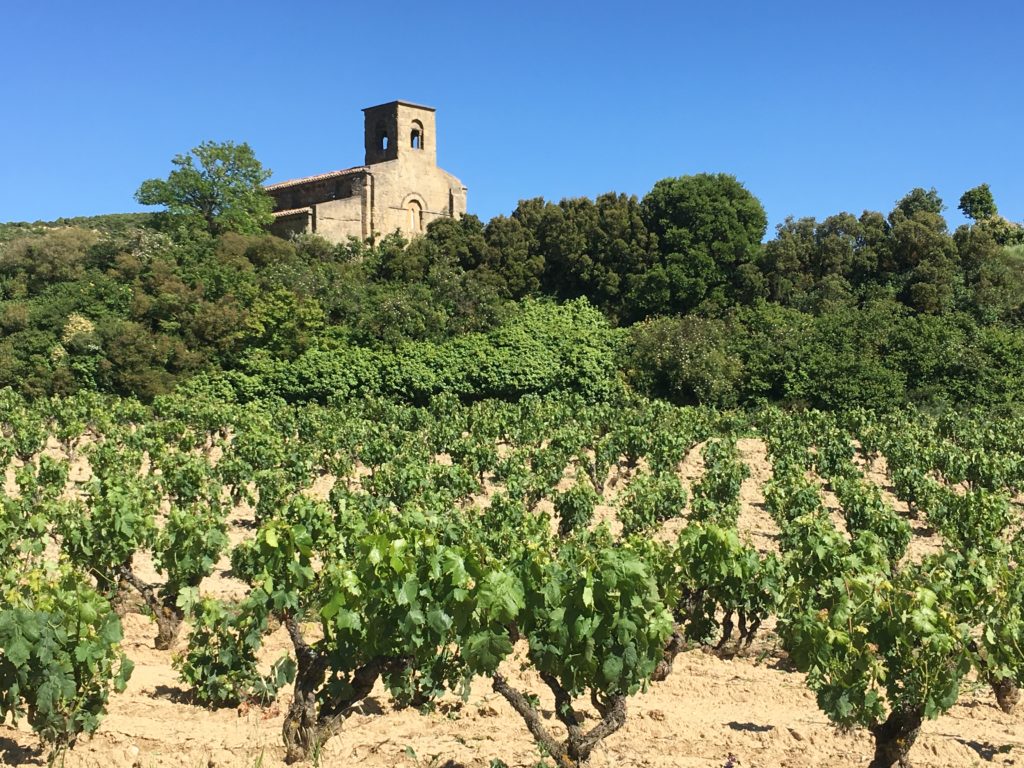
We like to work with individual family estates and sometimes those families have had a very long historic relationship with their homes. This is evident when the family shares its name with an actual village. Within a five minute drive of the Pecina bodega in San Vicente de la Sonsierra, you can be looking at the charming little Romanesque hermitage of S. Maria de la Piscina, built in the 12th century and virtually unaltered since that time. It lies just outside the tine hamlet of Pecina (current population 4, at the last count), where the chapel of San Martin was modelled on the baptistry that crusaders found in Jerusalem,(hence piscina = font ).
Hermanos Pecina owns some 50 hectares of vineyard, in about a dozen different parcels, all within a short distance of the cellar, on the left bank of the River Ebro. These are situated at the base of the Tolono mountain of the large Sierra Cantabria, adjacent to the Alavesa district. The soils here are calcareous clay, strong in limestone, the altitude between 475m and 600m.
At La Veguilla we find the younger vines (now about 25 yrs old), ast 475m.altitude. At El Codo, there are 40 year old vines growing on a steep slope with 100m from top (575m) to base, on very stony ground. Finca Iscorta has 50 year old bush vines at 500m. on a more gentle incline. My hope is in due course to persuade Pedro Pecina to work on more bottlings from individual parcels of vineyard. We now have a reserva indeed from the Finca Iscorta. In the future perhaps we will see a Veguilla and an El Codo. I have long thought that Rioja needs to focus much more on the potential of its wonderful range of individual vineyard sites and rather less on its somewhat stereotyped classifications in the cellar. As always, I want to hear the song of the vineyard more than the noise of the cellar.
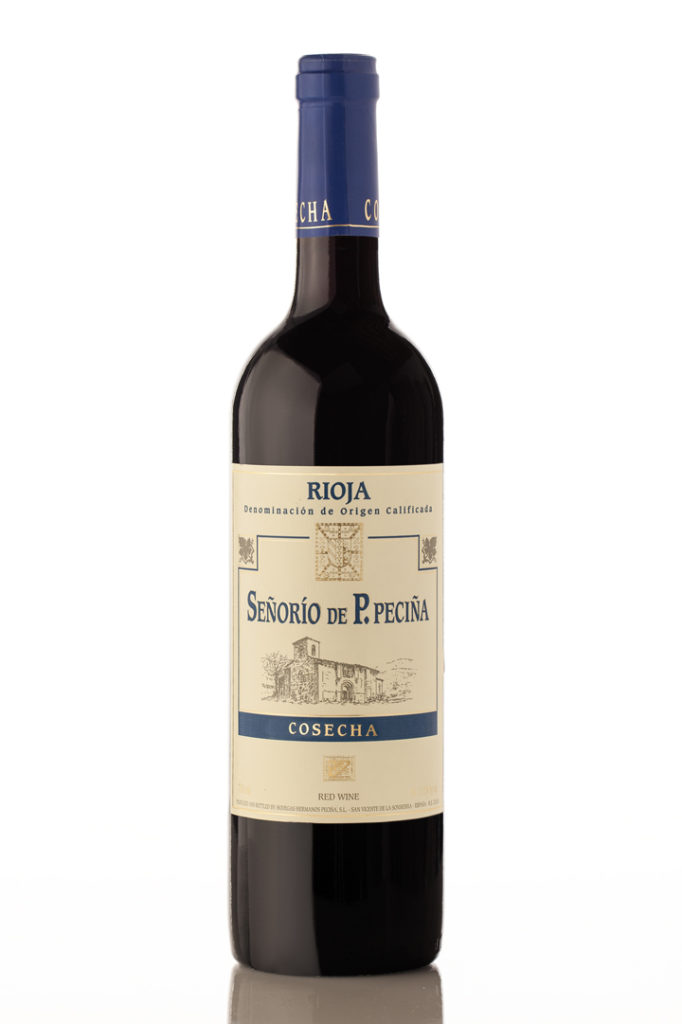
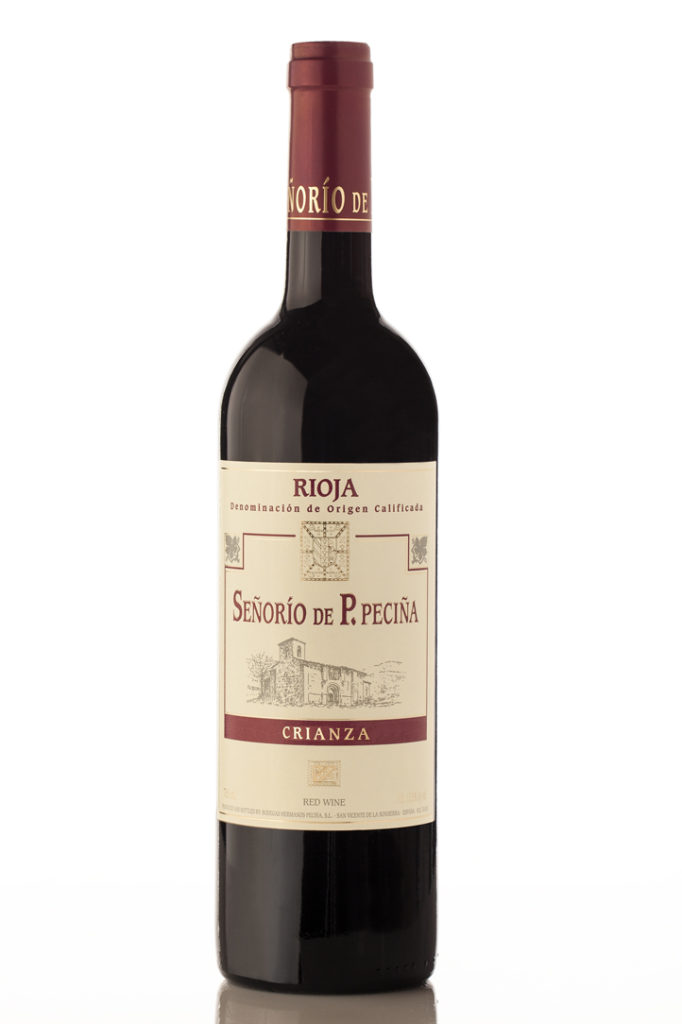
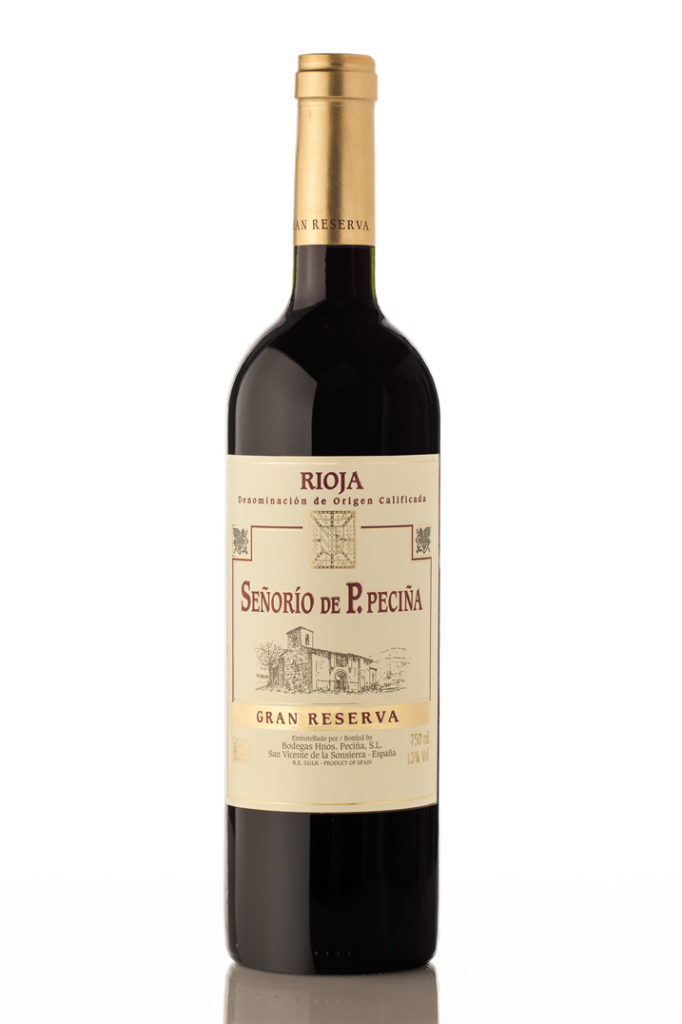
The young wine, currently the 2018 vintage, is a blend of about 95% tempranillo with 3% Graciano and 2 % garnacha. There is no mazuelo (carignan) therefore. It sees no oak ageing so the emphasis here is on the pure simple fruit of the tempranillo, bright, juicy, uncomplicated, not overconcentrated and jammy, a modest 13.5% in alcohol. The grapes come mainly from those young vines at La Veguilla. All the wines are bottled without fining or filtration. The 2014 Crinaza spends 24 months in used American oak barrels and is then aged further in bottle before release. The Reserva and Gran Reserva, currently both 2009 vintage, spend respectively 36 months and 48 months in oak, racked every six months, followed by several more years in bottle, the wines becoming gradually more refined with ever softer and more velvety tannins, the fruit protected by the natural acidity of the grapes on these limestone soils. Traditional Rioja wines have great longevity and several of the oldest wines in my own cellar are from this region, including one remaining bottle from 1919 I think. In Pecina we see the makings of a new classic.
Wines
 Rioja Crianza
Rioja Crianza
Rioja Reserva
Rioja Reserva

Rioja Gran Reserva
Rioja Gran Reserva
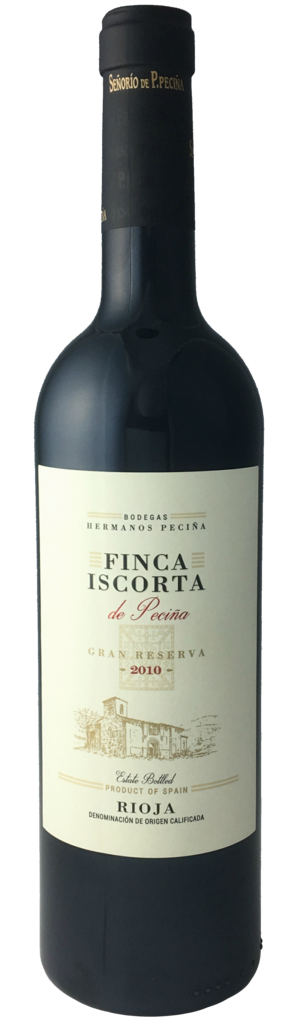
Rioja Gran Reserva Finca Iscorta
Rioja Gran Reserva Finca Iscorta
Rioja Tinto Joven
Rioja Tinto Joven